ACOG: More than half of menopausal women suffer hot flashes
New guidelines from the American College of Obstetricians & Gynecologists call for hormone therapy as the first-line treatment for severe symptoms.
By Isaac Medina ·
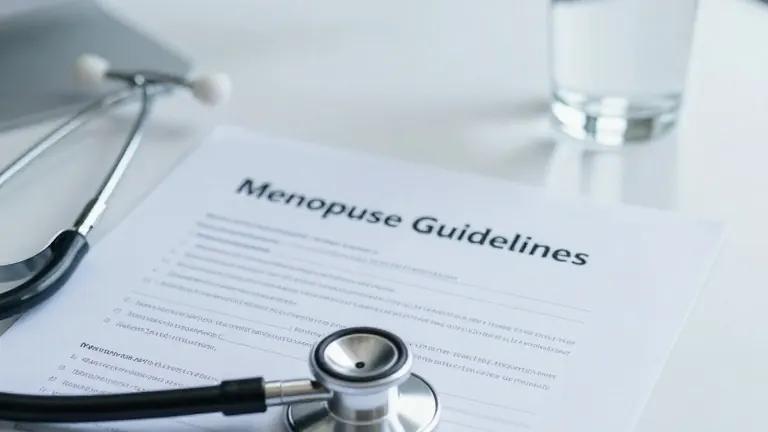
More than half of women in menopause report vasomotor issues such as hot flashes and night sweats, according to new data released by the American College of Obstetricians & Gynecologists, or ACOG. As many as two-thirds report sleep disruption related to the condition. These figures anchor the group’s first update to its management guidelines in 12 years.
The new advice, released this month, aligns with the FDA’s recent regulatory shifts. Federal officials announced Friday that the agency has taken steps to ensure an adequate supply of hormone therapies. The FDA approved updated labeling for three additional estrogen-based patches on Friday, following the removal of boxed safety warnings from more than 20 pills, patches, and creams last year.
Dr. JoAnn Manson, a professor of medicine at Harvard Medical School, stated that moderate to severe or bothersome menopausal symptoms should be treated with hormone therapy as the first line of treatment. She noted that while the treatment is not appropriate for every woman, it remains a good option for many. The 2002 study that linked combination pill-based therapies to breast cancer and blood clots had discouraged use for over 22 years, despite later research showing benefits often outweigh risks.
ACOG recommends that doctors and patients make decisions jointly, considering individual age and medical history. The group advises starting hormone therapy before age 60 or within 10 years of menopause when appropriate. Whole-body therapies, including pills, patches, sprays, gels, and vaginal rings, deliver hormones into the bloodstream to manage symptoms. Low-dose vaginal estrogen therapy is prescribed for women whose primary complaint is vaginal dryness.
Dr. Camille Clare, the group’s president, urged patients to advocate for treatment when speaking with their OB-GYNs. She acknowledged that women often encounter misinformation online and encouraged them to bring questions directly to their providers. ACOG offers resources to help patients distinguish between verified medical advice and false claims.
For patients who cannot or choose not to take full-body hormonal medications, ACOG outlines several nonhormonal alternatives. These include fezolinetant and elinzanetant, which work in the brain to block the source of hot flashes. Certain antidepressants can also manage symptoms of hot flashes and depression.
The guidelines also cite evidence supporting non-drug treatments such as cognitive behavioral therapy, mindfulness, exercise, clinical hypnosis, and acupuncture. Dr. Stephanie Faubion, medical director at The Menopause Society, emphasized that these options are effective and that women should not be told nothing can be done about their symptoms. The group’s guidance aims to empower women to discuss their health needs openly with healthcare providers.