Asia Markets Mixed as Oil Falls 3.3% on Hormuz Talks
Oil prices dropped sharply Monday following reports of potential reopening of the Strait of Hormuz, while Asian equity markets showed mixed results amid tech sector volatility.
By Anthony Shevchenko ·
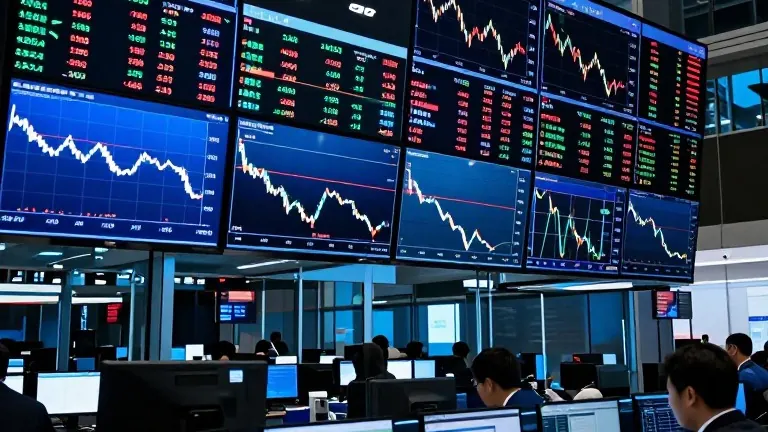
Oil prices fell more than 3 percent Monday morning as diplomatic efforts to ease tensions in the Middle East gained traction. Brent crude, the international benchmark, dropped 3.3 percent to $109.66 per barrel. U.S. benchmark crude also declined 3.3 percent to $100.64 per barrel.
The decline follows a statement by Iran's top diplomat, who said over the weekend that Iranian negotiators were in Qatar discussing a proposal to reopen the Strait of Hormuz within two days. The diplomat noted that the United States must meet several conditions for this to happen, although no direct talks are currently underway between the two nations.
Equity markets across Asia moved in different directions Monday. South Korea's Kospi index rose 2.3 percent to 5,859.83, driven by gains in memory chipmakers. Samsung Electronics added 1.7 percent, and SK Hynix jumped 4.2 percent. In contrast, Japan's Nikkei 225 slipped 0.1 percent to 63,218.02 after giving up early gains. SoftBank Group fell 1.8 percent, and memory chipmaker Kioxia Holdings dropped roughly 14 percent after disappointing earnings forecasts.
Investors remain cautious about the technology sector due to fears that artificial intelligence spending may resemble a bubble. Apple is scheduled to report earnings later in the day, adding to a week of scrutiny on major tech firms. Alphabet and Amazon recently released results that raised questions about the speed of returns on their AI investments. Over the past month, the Nikkei 225 has fallen more than 6 percent, while the Kospi has dropped more than 16 percent.
In mainland China, the Shanghai Composite index rose 1.2 percent to 3,640.93 despite reports that factory activity returned to contraction in October. The Hang Seng index in Hong Kong gained 0.6 percent to 23,437.41. China's central bank and securities regulator were set to meet with financial institutions to discuss support measures for the capital market. In other regions, Taiwan's Taiex fell 0.2 percent, Australia's S&P/ASX 200 lost 0.6 percent, and India's Sensex rose 1.1 percent.
U.S. futures edged higher Monday, offering a slight rebound after Wall Street's worst day since June. The S&P 500 fell 1.8 percent Friday, while the Nasdaq composite dropped 2.9 percent. Traders are now watching Tuesday's U.S. midterm elections, where voters have expressed growing concern about AI infrastructure, data centers, and inflation.
More Business · Bad Business · Report a business · Got a Story?