Lula Wins Brazil Runoff, Keeping Region's Largest Economy Independent
A two-hour polling extension sparked chaos and legal challenges, but the 81-year-old incumbent secured a non-consecutive fourth term with 51.8 percent of the vote.
By Beatriz Soto ·
Brazilian President Luiz Inácio Lula da Silva secured his fourth term on Sunday, preserving a political distance between Washington and Latin America's largest economy. The electoral court confirmed his victory over Flávio Bolsonaro by a margin of nearly 4.4 million votes. This outcome maintains left-of-centre leadership in both Brazil and Mexico, the region's two most populous nations.
The result defies a regional trend where right-of-centre candidates aligned with U.S. President Donald Trump have been gaining power. Brazil's gross domestic product stands at 2.6 trillion US dollars annually. Despite increased tariffs imposed by the Trump administration, the victory allows the country to maintain its independent economic stance. Lula, who turns 81 on Tuesday, joins Donald Trump and Daniel Ortega of Nicaragua as the oldest sitting heads of state in the Americas.
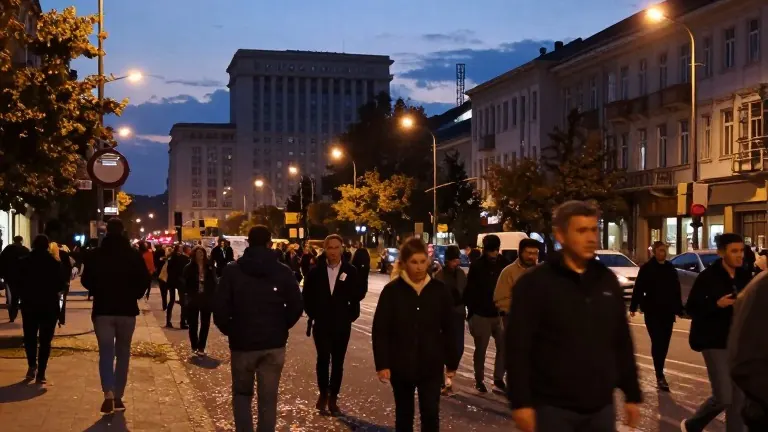
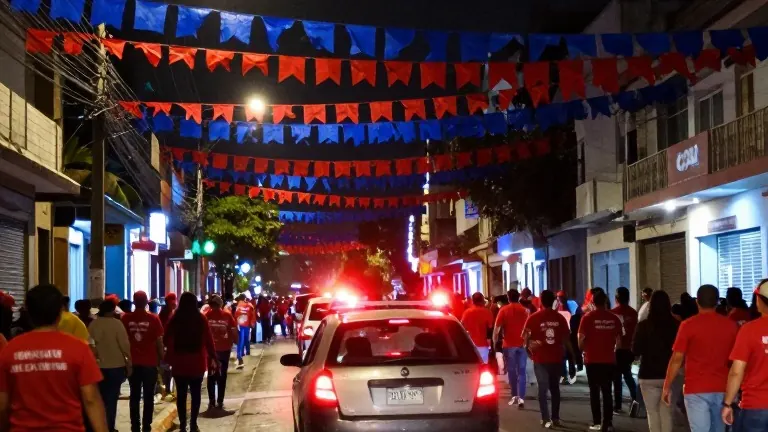
Chaos marked the final hours of voting after Supreme Court Justice Cristiano Zanin ordered polling stations to remain open for two additional hours. The decision came three minutes before the scheduled closing time. Lula requested the extension due to bus transportation issues in São Paulo and Salvador, while Bolsonaro cited heavy rains in the south. The delay stalled the vote tally and led Bolsonaro to call for the election to be annulled.
Nikolas Ferreira, a Bolsonaro ally, pointed out that Zanin served as Lula's former lawyer. The procedural confusion left some voters and volunteers uncertain about their duties. In Rio de Janeiro, voting machines had already been switched off and could not be restarted. In Brasilia, most volunteers left polling stations 15 to 20 minutes after the initial closing time, before the extension was fully processed.
Lula addressed his supporters after the confirmation, crediting the vote for defeating denialism. He pledged to respect all Brazilians regardless of gender or religion. He also reinforced his commitment to national sovereignty, stating that Brazil would not accept being anyone's backyard. His campaign reorganized after losing the first round by more than 2.2 million votes, focusing on younger voters and government incentives to counter Bolsonaro's tough-on-crime platform.
The election cycle was defined by economic anxieties and security concerns. Bolsonaro campaigned on lowering food costs and cracking down on crime. Lula faced scrutiny over the cost of living and corruption suspicions involving his family and allies. Both candidates have been implicated in scandals, though Lula's previous corruption convictions were annulled after he spent 580 days in prison. His legal victory in 2018 helped him return to the political stage to defeat Jair Bolsonaro in 2022.
Lula began his career in the 1970s as a union leader and co-founded the Workers Party. He won his first presidential election in 2002. His successor, Dilma Rousseff, was impeached in 2016 amid a corruption probe that also jailed Lula. He narrowly beat Jair Bolsonaro in 2022 and is now set to begin his new term on January 5, 2027. This is expected to be his final victory in a political career spanning five decades.