Manchester City’s financial breach draws scrutiny to local land deals
A new investigation examines loans and property partnerships between the club's Abu Dhabi owners and local government leaders.
By Isaac Medina ·
Manchester City faces a historic verdict after an independent commission ruled the club systematically broke Premier League financial rules between 2009 and 2018. The panel found that the team inflated sponsorship revenue to hide more than £830 million in secret funding. The club denies any wrongdoing and has appealed the decision, leaving the exact punishment for the team undecided.
The ruling has intensified public interest in the relationship between the club and its owners, the Abu Dhabi United Group (ADUG). Since purchasing Manchester City in 2008 for £200 million, Sheikh Mansour bin Zayed al Nahyan has spent billions transforming the team into a European powerhouse. However, his investment in the club has been closely tied to property development in the city.
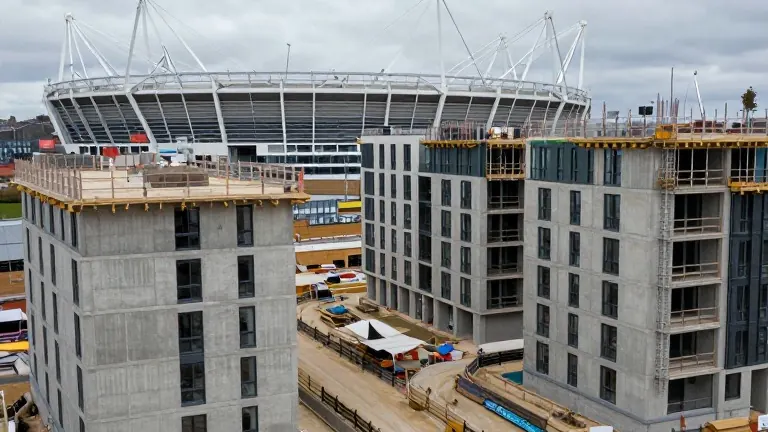
In 2014, ADUG formed a partnership called Manchester Life with the Labour-led Manchester City Council. The joint venture aimed to build more than 6,000 new homes over a decade with up to £1 billion in investment. To date, approximately 1,500 homes across nine sites have been completed, with additional construction currently underway. The deal was structured as an overage agreement, allowing the council to receive future payments if the land value increased.
Critics have questioned whether public land was sold to ADUG at too low a price. A 2022 report from the University of Sheffield raised concerns about transparency and the public value of the schemes. Professor Adam Leaver, a co-author of the report, stated that commercial secrecy makes it impossible to determine how much profit ADUG has made compared to the council. The council claims the deal has generated just under £3 million in super-profits so far and expects another payment soon.
The scrutiny of these financial ties has been amplified by the political standing of former mayor Andy Burnham, now Prime Minister. Burnham praised the club's owners as a huge partner in building modern Manchester, a comment that drew immediate backlash from political opponents. It later emerged that Burnham held hospitality dinners with Manchester City chairman Khaldoon Al Mubarak in 2017 and 2018, as well as meeting him at a 2021 investment summit. Burnham has said he is happy for all his dealings to be set out in full.
A Greater Manchester Combined Authority scrutiny committee is currently investigating loans made to property companies while Burnham was mayor. More than £1 billion was lent to about 50 developers through the housing investment loan fund. Burnham chaired meetings that approved approximately £55 million in loans to firms ultimately owned by Sheikh Mansour. While the decisions were made by the full authority and no wrongdoing is suggested, critics have questioned why wealthy private firms needed public borrowing.
Bev Craig, the recently elected Mayor of Greater Manchester, defended the relationship, stating that ADUG showed unique passion for the city. She argued that the intense media coverage has made cheap shots at Burnham and used the situation to bash the city. Craig maintained that if Manchester City loses its appeal, it should face sanctions, but she emphasized that the football story should have remained separate from local politics.
The council maintains that the Abu Dhabi investment created value during a recession when development had stalled. Sir Richard Leese, who led the council when the 2014 deal was struck, argued that no other significant interest existed in developing the land at the time. The transformation of areas like Ancoats and New Islington is cited as evidence of the partnership's success, though critics continue to point to the lack of affordable housing within the Abu Dhabi-owned developments.