Philly Kitchen: Chefs Reclaiming Italian American Identity
Local chefs are blending regional Italian techniques with global influences and family memories to create a new culinary standard in the city.
By Anthony Shevchenko ·
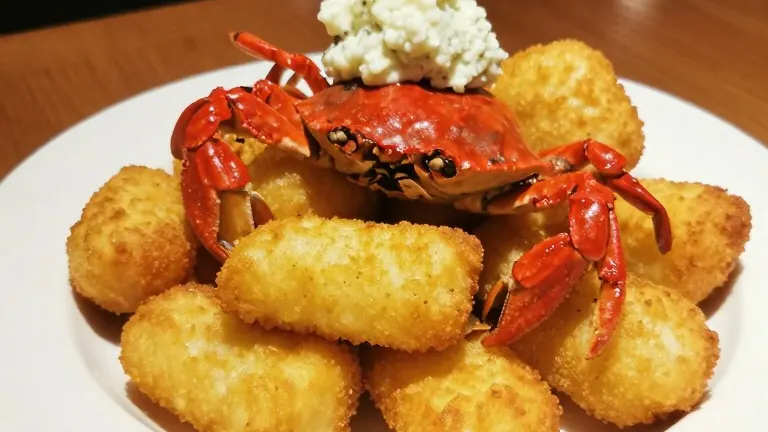
Chef James Nardone serves deep-fried polenta fritters topped with scarlet crab and horseradish at Elma, a small restaurant in Fishtown. He notes that the dish functions like a savory funnel cake with crab sauce and contains few traditional Italian elements. The item remains a favorite among guests at his establishment.
This approach reflects a wider shift among Philadelphia chefs who are redefining the city's Italian American food scene. The movement moves away from the standard spaghetti and meatballs served in many local diners. Instead, these cooks combine old-world traditions with personal influences to build a new cuisine.
Michael Vincent Ferreri, the chef at Irwin’s, uses an eggplant caponata recipe that is one hundred years old. The dish originated with his great-grandmother. He also serves a tomato and watermelon crudo on his summer menu, a creation inspired by trips to Spain, Istanbul, and Cairo. Ferreri says these journeys revealed flavors that shaped Sicilian cuisine through trade, immigration, and warfare.
Ferreri explains that his kitchen adheres to a centuries-old tradition of cooking from 10 a.m. to 5 p.m. At 5 p.m., the staff begins plating food in a modern restaurant style. He integrates Turkish ingredients and Spanish techniques into the menu, filtering them through his family's history and his own travels.
At Ambra, chef Chris D’Ambro served a pasta dish topped with ramp kimchi in the spring. His summer menu included tuna crudo with corn and a fig leaf panna cotta. The panna cotta is flavored with lime and pickled coriander, along with chilis from his garden. The dish resembles Thai cuisine but includes a terrine of capon, veal cheeks, and chanterelles topped with mustard oil. D’Ambro’s aunt smuggled the oil out of Italy because it is difficult to buy in the United States.
D’Ambro describes the cooking at Ambra as specific and singular to the small location. He says the menu is biographical, filled with food memories and inside jokes. He labels the cuisine modern Italian because the term allows him space to define what the food actually is without being constrained by traditional expectations.
Townsend Wentz, the chef at A Mano, cooks from every region of Italy and follows the seasons. He uses Spanish ingredients, French techniques, Greek feta in panzanella, and Basque peppers in antipasti. Wentz states that regionality is unimportant to him because Philadelphia freezes in winter and boils in summer. He believes that championing one specific region would be a mistake.
Nardone traces his cooking style to his family, who are Abruzzese on his mother’s side and Calabrese on his father’s. He recalls crowded family tables where grandmothers cooked intuitively without measuring in grams or kilos. They measured by what fit in a specific container on the counter. Nardone says he is chasing those flavors at Elma today and does not care how he achieves them.
Nardone admits that other chefs may criticize his methods, but he no longer uses homemade chicken stock. He uses College Inn brand stock because that is what his family uses. He argues that it is not laziness but an attempt to capture a specific flavor that nothing else replicates. This cohort of chefs is reshaping what Italian American food looks like and tastes like in Philadelphia.