Tesla Moves Humanoid Robot Launch to Late 2027
Elon Musk cites difficulties with robot hands and AI reliability as reasons for the new timeline.
By Isaac Medina ·
The wait for a fully autonomous worker in your garage or factory floor just got longer.
On the third quarter 2026 earnings call, Elon Musk announced that Tesla plans to begin delivering its Optimus humanoid robots to outside customers by the end of 2027. This marks a significant shift from earlier promises of high volume production in 2026. Musk acknowledged that the robot’s hands, overall durability, and artificial intelligence capabilities still require substantial development before the company can meet this new target. These remain the primary hurdles for the entire industry, despite Tesla’s claim that no other manufacturer is close to matching its progress.
Tesla has initiated early production of Optimus on the high volume line in Fremont, California, where the Model S and Model X were previously assembled. Most of the infrastructure required to build one million robots annually is already in place. However, Musk stated that reaching a production rate of approximately 20,000 units per week will take at least another year, potentially longer. This delay is due to ongoing changes in the design, particularly in the electromechanical components. The company expects to resolve these issues by the end of next year, allowing for initial deliveries to industrial clients who need robots for dangerous or repetitive tasks.
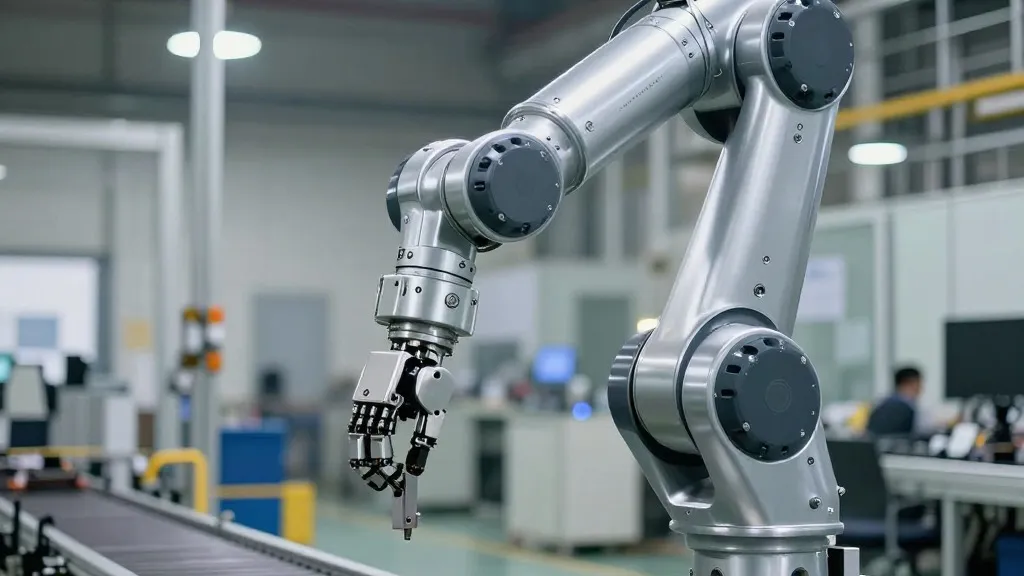
The most significant technical challenge lies in the robot’s hands. A Tesla engineer noted that the hand is one of the hardest hardware areas to finalize. The fingers must be soft enough to handle delicate items yet durable enough to withstand constant wear. Unlike human skin, the synthetic material cannot heal from minor injuries. Additionally, custom gears present reliability concerns. On the software side, Tesla lacks a large fleet of robots to collect data, similar to its car fleet for Full Self Driving. To address this, the company plans to build 10,000 to 20,000 robots for an internal training program called Optimus Academy. The AI5 chip is expected to be integrated into the robots around April 2027.
Musk promised a video within the next one or two months showing the robot performing unscripted tasks. He argued that many current demonstrations rely on pre programmed routines that would fail in real world conditions. However, the timeline for external use has slipped repeatedly. In 2024, Musk predicted internal use in 2025 and high volume external sales in 2026. By January 2025, he revised this to about 10,000 robots built that year, with several thousand doing useful work. He later admitted that none were actually performing useful work, leading to the current late 2027 projection.
Competitors are making steady progress while Tesla refines its design. XPeng activated an automated production line in Guangzhou in September, with plans for mass production by the end of 2026. Their IRON robot features 21 degrees of freedom in each hand and is set for delivery in stores and malls by the first half of 2027. Meanwhile, Boston Dynamics began producing its electric Atlas robot in January. All of its 2026 deployments are already committed, including to Google DeepMind. The company opened a training center in Georgia in September, where Atlas is learning to sort car parts for Hyundai. This approach prioritizes sturdy grippers over human like dexterity, offering a pragmatic solution to the hand problem that Tesla is currently facing.
Tesla’s competitors are not claiming a lack of competition, yet they are advancing their own timelines. While Tesla may build the most robots, the challenge of making them useful remains unsolved for everyone. The next few months will be crucial as Tesla prepares to release its promised video. If the robot can demonstrate genuine, unscripted work, it will validate the new timeline. Until then, the history of slipping dates suggests that late 2027 may still be a moving target.