Warm Gulf Stream brings tropical species to Massachusetts coasts
Fishermen report catching cubera snapper and king mackerel, prompting questions about commercial quotas and regulatory science.
By Beatriz Soto ·
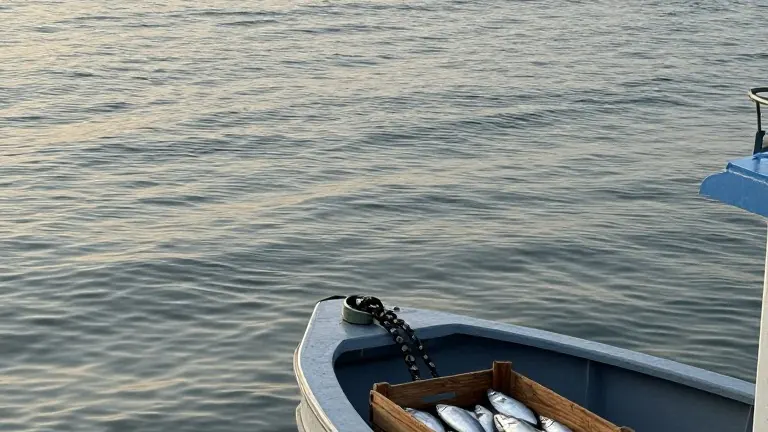
Fishermen off the Massachusetts coast are landing species traditionally found in warmer southern waters, a shift attributed to rising ocean temperatures. Max Harvey, a longtime fisherman, reported catching a cubera snapper on Nantucket last week. Harvey noted that while such catches have happened before, they remain very uncommon.
The cubera snapper is typically associated with warmer waters far south of New England. It is not the only tropical species appearing in the region. Harvey said that four or five years ago, a rush of king mackerel appeared in Vineyard Sound. He stated that fishermen could realistically catch one of the species during that period.
The Gulf of Maine is warming rapidly. Since 1982, its surface temperature has increased by approximately 0.84 degrees Fahrenheit per decade. This rate of warming is nearly three times the global ocean average. Harvey explained that the Gulf Stream, which carries warm water north along the East Coast, has been getting closer to shore. This proximity allows pockets of warmer water to break off and bring different species into the region.
These changes affect seafood distributors like Wulf's Fish in Boston's Seaport. However, an individual tropical fish appearing off Massachusetts does not necessarily mean an entire population has moved north. Seasonal currents and unusual ocean conditions can also carry fish into unfamiliar waters. Alisha Lumea, director of sustainability and education at Boston Provisions, said fishermen are increasingly encountering species they are not authorized to catch commercially.
Commercial fishermen require specific permits and quotas to harvest fish. Fish do not need permits to cross state lines, but the commercial industry does. Lumea said some are asking whether fishing regulations should be updated to reflect conditions beneath the surface. Establishing new quotas is complex because scientists must determine if unusual catches represent isolated occurrences or a larger population shift.
Scientists must monitor fish populations and study migration patterns to gather enough data. They need to determine whether changes are temporary or part of a longer-term trend. This research can take years, particularly when ocean conditions vary from one season to the next. Regulators need that information to decide if commercial fishing rules should change.
Lumea noted that the science moves slower than the fish. She said, "I think the science you know I think moves a little bit slower than the fish." The warming ocean creates new opportunities for the industry but also introduces new uncertainty for those who depend on knowing where to find fish.