AP Poll: Young, Hispanic and Black voters rejected GOP in 2026 midterms
A survey of over 100,000 voters reveals a sharp demographic shift as Democrats regain ground among key groups that backed Trump in 2024.
By Isaac Medina ·
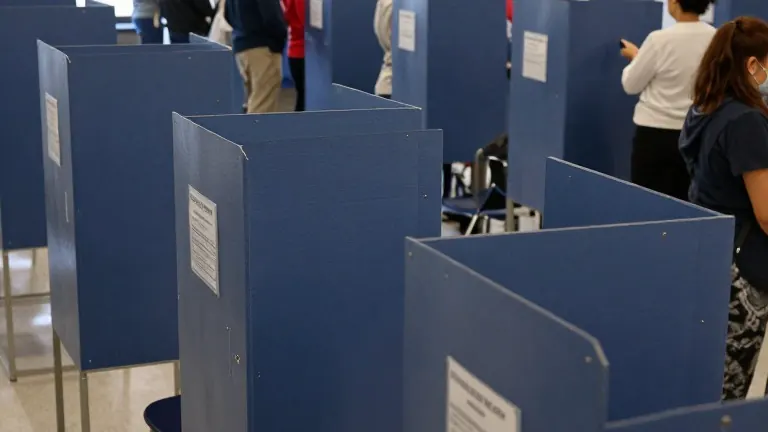
Democratic candidates captured a decisive advantage among young voters, Hispanics, and Black voters in the 2026 midterm elections, according to The AP Voter Poll. The survey indicates that the demographic gains President Donald Trump secured in the 2024 presidential race largely evaporated within two years. This reversal allowed Democratic nominees to win key Senate seats and local House races across the country.
The poll surveyed more than 100,000 voters in all 50 states. Fieldwork for the study ran from October 19 to November 3 in Alaska and from October 22 to November 3 in the remaining states. The margin of sampling error for the full sample is plus or minus 0.6 percentage points. The data was collected by SSRS for The Associated Press, ABC News, CBS News, CNN, FOX News Media, NBC News, and Versant.
Voters under the age of 30 shifted dramatically toward the Democratic Party. Approximately seven in ten young voters supported the Democratic candidate in their local U.S. House race. By comparison, only about three in ten voted for the Republican nominee. In 2024, this age group was roughly evenly split between Trump and Vice President Kamala Harris. Young voters also represented a small portion of the total electorate, comprising only about one in ten voters nationwide.
Discontent with national leadership drove many of these younger voters to the polls. About half of voters under 30 described themselves as angry about the direction of the country. This sentiment was less common among voters aged 65 and older, where only about one in three shared that feeling. Additionally, six in ten young voters cited opposition to Trump as a primary reason for their House vote.
Hispanic voters also moved away from the Republican Party. Only about one in three Hispanic voters backed the Republican candidate in their local House race. Two years earlier, roughly four in ten supported Trump. Nationally, about six in ten Hispanic voters chose the Democratic candidate for House. This shift was visible in the Texas Senate race, where Democrat James Talarico defeated Republican Ken Paxton. Talarico won the support of roughly six in ten Hispanic voters in that contest.
Black voters, particularly men, returned to the Democratic column in large numbers. About nine in ten Black voters supported the Democratic candidate in their local House race. This is an increase from the roughly eight in ten who voted for Harris in 2024. Black men showed a notable shift, with only about one in ten supporting the Republican House candidate. In Georgia, about nine in ten Black men voted for Keisha Lance Bottoms, who became the state's first Black woman governor.
Moderate voters played a decisive role in several Senate races. About two-thirds of moderates supported the Democratic candidate in their local House race. This represents an increase from the roughly six in ten who backed Harris in 2024. A large majority of these moderate voters, about eight in ten, said Congress was not doing enough to check the presidency. They also reported experiencing at least moderate financial hardship due to inflation.
Economic concerns pushed lower-income voters toward Democrats. More than half of voters with a 2025 household income under $50,000 voted for the Democratic candidate in their local House race. This group was evenly split between Trump and Harris in 2024. About three in ten U.S. voters reported a family income below $50,000. These voters were more likely than higher-income peers to cite the cost of food, gas, and utilities as a major factor in their decision.