BoE Lifts Key Rate to 4% as War-Driven Energy Costs Hit 3.5% Inflation
The central bank increased borrowing costs for the first time since August 2023, citing fuel price spikes from the Iran conflict and Strait of Hormuz bottlenecks.
By Beatriz Soto ·
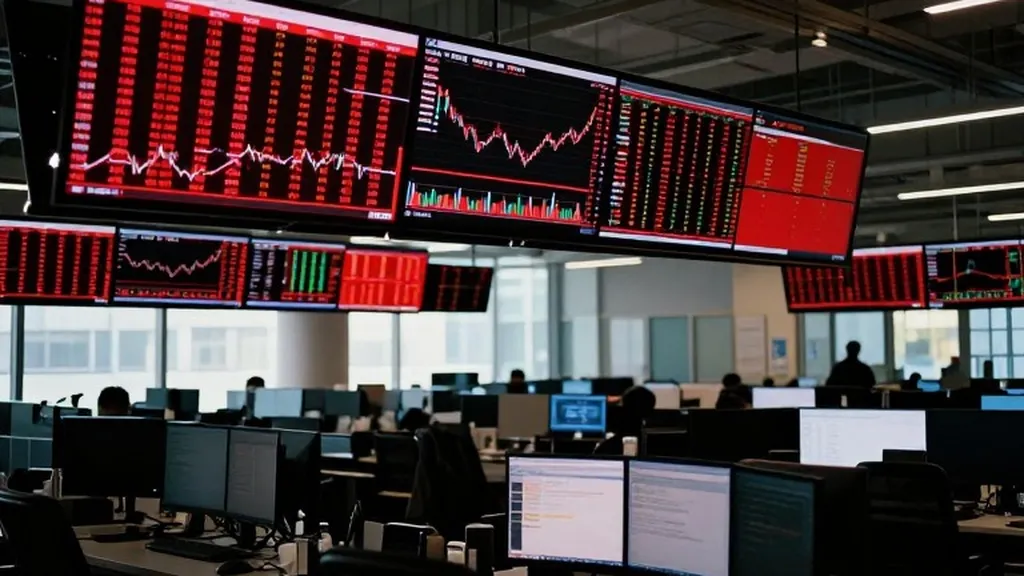
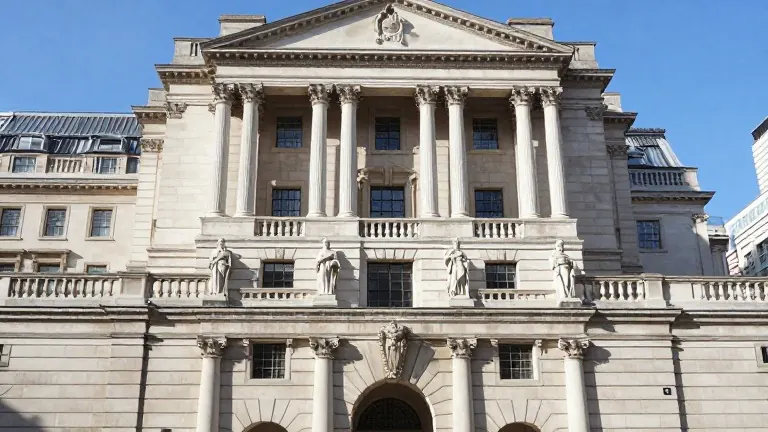
London’s financial markets reacted to a familiar mechanism on Thursday as the Bank of England moved to cool a heating economy. The central bank announced a quarter-point increase in its main interest rate, pushing the benchmark from 3.75% to 4%.
This adjustment marks the first hike in over three years. The decision follows a steady build-up of pressure on the Monetary Policy Committee, which is composed of nine policymakers. The committee acted to address an inflation shock that has accelerated due to the ongoing conflict with Iran. Market analysts had largely anticipated this move based on recent data.
Consumer prices reached an 11-month high of 3.5% in September. That figure sits well above the bank's 2% target. The primary driver behind this surge is the cost of fuel. The war has created bottlenecks in the Strait of Hormuz, squeezing global supplies of oil and gas. These supply constraints have forced energy bills higher for households and businesses across the U.K.
Ellie Henderson, an economist at Investec, noted that committee members likely lost patience with the rising prices. She stated, “We imagine that many committee members’ patience with the recent rise in inflation has worn thin.” Henderson warned that if energy prices stay high, a temporary shock could become a permanent structural change in price levels.
The rate hike accompanies the bank’s quarterly economic projections. Higher interest rates work by making borrowing more expensive. This dynamic is designed to dampen consumer spending and business investment, which in turn slows inflation. However, the mechanism also cools overall economic growth. The bank faces a difficult balance between stabilizing prices and maintaining momentum.
Forecasters acknowledge that the current outlook carries more uncertainty than usual. The economic path depends heavily on the trajectory of the Iran war. Recent political shifts in the United States have already influenced energy markets. Heavy losses for the Republican Party in the U.S. midterm elections led to a sharp drop in energy prices. If those lower prices persist, the upcoming peak in inflation may be lower than expected. This development could reduce the likelihood of additional rate hikes in 2027.
Other central banks have reacted similarly to the inflation caused by the war. The U.S. Federal Reserve and the European Central Bank have both raised rates recently. Their future strategies also hinge on energy prices. Prior to the U.S. and Israel attacking Iran on Feb. 28, U.K. interest rates had been trending down from a 15-year high of 5.25%.
More Business · Bad Business · Report a business · Got a Story?