Day of the Dead Celebrations Expand to Major US Cities
Rituals rooted in pre-Columbian traditions and promoted by Chicano artists in the 1970s now draw crowds from Anchorage to San Antonio.
By Isaac Medina ·
The annual two-day observance of Dia de los Muertos, or Day of the Dead, is expanding its reach across the United States. The event begins on Nov. 1 and concludes on Nov. 2, following immediately after Halloween night. While the holiday has deep roots in Latin America, it is now a recognized cultural event in cities from New York to Seattle.
The timing of the celebration is specific to the return of spirits. According to tradition, the gates of heaven open at midnight on Nov. 1. This allows the souls of children to rejoin their families for 24 hours. The spirits of adults return on Nov. 2 to eat, drink, and play music with their loved ones.
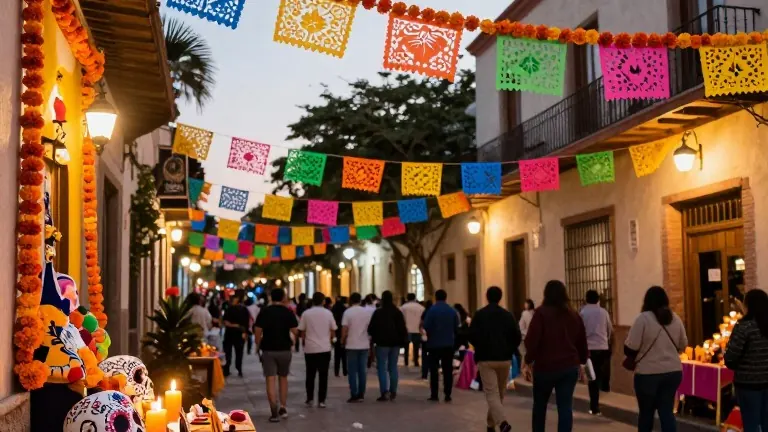
Rituals for the event date back approximately 3,000 years to pre-Columbian Mesoamerica. Current practices blend Latin American traditions with Roman Catholicism. Participants view the holiday as a festive remembrance rather than a period of sorrow. Families build altars called ofrendas, which display photos of the deceased alongside skeleton figurines, candles, and the favorite foods of the departed.
Decorations play a central role in attracting the spirits. Marigolds, known as the flower of the dead, are used in garlands because their scent is believed to guide souls back to the living. Sugar skulls painted in bright pinks, yellows, blues, and greens are common fixtures. In Mexico, Guatemala, Brazil, and parts of Ecuador, bakers produce sweet bread of the dead and artisans create paper cut-outs for altars.
The Chicano movement introduced the celebration to the United States in the 1970s. Regina Marchi, a journalism and media studies professor at Rutgers University, described these early events as acts of political resistance and cultural pride. The term Chicano refers to Mexican Americans who identify as politically active in social justice issues.
Interest in the holiday has grown steadily since that initial push. San Antonio, Texas, and Los Angeles are currently considered the largest and most popular destinations for the festivities. However, events now occur in major urban centers nationwide. Communities in Fort Lauderdale, Chicago, Phoenix, San Francisco, Seattle, and Anchorage mark the occasion with parades and gatherings.
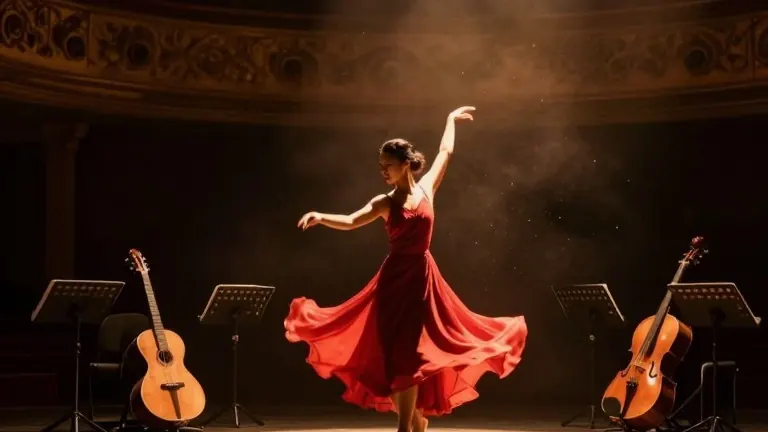
Participants often wear bright costumes and paint their faces to resemble skulls. Mariachi music is a standard feature at cemeteries and private altars. Some families keep vigil through the night at burial sites to greet the spirits of their loved ones. The observance connects living family members with their ancestors through shared food, music, and decorated spaces.
The holiday remains distinct from Halloween despite superficial similarities in timing and imagery. It focuses on connection and the celebration of lives previously lived. The expansion of the event reflects a wider adoption of Latin American cultural practices across the American continent.