Original Mason-Dixon Line Map Hits Auction With $1.2M Estimate
The 18th-century chart that defined the border between free and slave states will be sold via livestream on Thursday by Brunk Auctions in North Carolina.
By Anthony Shevchenko ·
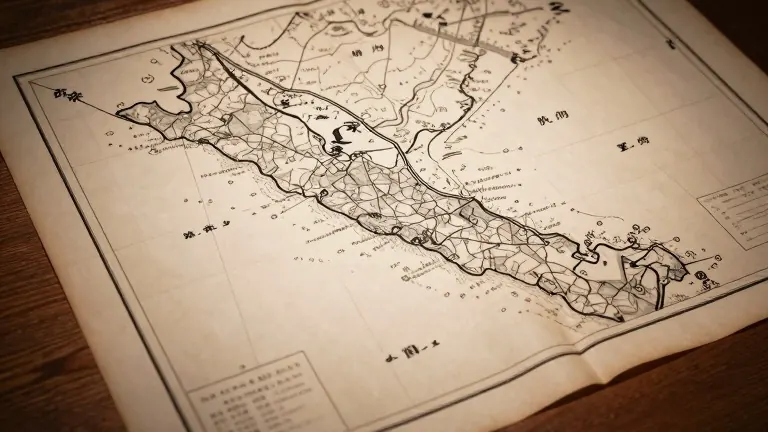
A hand-drawn chart of the Mason-Dixon Line is going to auction Thursday in a livestreamed event. The document, which served as the symbolic boundary between Northern and Southern states, is estimated to sell for between $800,000 and $1.2 million.
Lauren Brunk, vice president of Brunk Auctions in Asheville, North Carolina, described the item as historically vital. She said it is rare for buyers to get close to such an important artifact. Brunk noted that the experience of viewing the piece was awe-inspiring for her team.
The map was drawn between 1767 and 1768 by surveyors Charles Mason and Jeremiah Dixon. The original purpose of the survey was to settle a border dispute between the colonies of Maryland and Pennsylvania. The line later gained its current significance when it was used in the 1820 Missouri Compromise to establish limits on human bondage. That decision contributed to the divisions that led to the Civil War four decades later.
Brunk clarified that the line was not originally drawn to separate free states from slaveholding states. She stated that most Americans associate the line with that division, but the initial intent was different. The map itself is a strip of paper backed by linen, measuring 76 inches long and 6.5 inches tall. It has been remounted on Japanese rice paper for the sale.
The document has a long history of private ownership. After it was created, it was given to the family of attorney Benjamin Chew, who represented the descendants of William Penn. The map stayed in that family until 1982, when publisher Malcolm S. Forbes purchased it for $360,000. At the time, that amount was the highest price ever paid at auction for an American map.
The map changed hands again in 2002. The current seller is anonymous. Brunk said she contacted officials at the Library of Congress to inform them the item was returning to the market. The library declined to bid, citing current budget constraints, but Brunk said they would be happy to accept a purchase made on their behalf by a private patron.