EPA weakens rules on methane leaks
The agency will cut standards for older wells and end a program tracking large gas releases, saving operators $45 billion in estimated compliance costs.
By Anthony Shevchenko ·
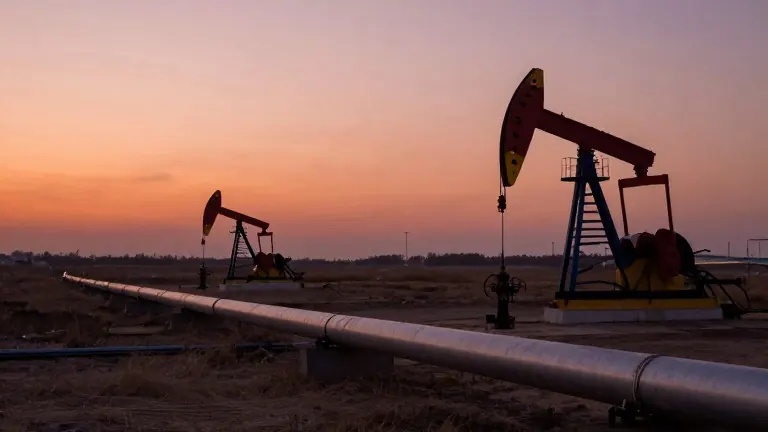
The Environmental Protection Agency will announce revised methane regulations today from a campaign rally in Lubbock, Texas. The move lowers federal standards for preventing gas leaks from oil and gas infrastructure. Trump Administrator Lee Zeldin stated the changes will save industry operators $45 billion in regulatory costs. He contrasted this figure with the $18 billion in costs associated with the previous administration's rules.
The new proposal targets marginal wells, which are older sites producing minimal fuel but generating disproportionate pollution. These wells account for half of the industry's methane emissions while producing only 6 percent of US oil and gas. The EPA plans to step back standards specifically applied to these operations. This shift removes requirements designed to capture gas that would otherwise escape into the atmosphere.
The agency will also terminate the Super Emitter Program. This initiative required operators to report methane releases reaching 100 kilograms per hour or more. Ending the program reduces the frequency of mandatory notifications for large leaks. Critics argue the change lessens oversight of the most significant pollution events in the sector.
Methane is a potent greenhouse gas, up to 80 times as strong as carbon dioxide over a 20-year period. It also contributes to ground-level smog, a pollutant linked to respiratory health issues. Unlike carbon dioxide, which persists for centuries, methane breaks down in just over a decade. This short lifespan makes reducing leak emissions a direct method for slowing near-term temperature increases. Methane has contributed to approximately 30 percent of global warming to date.
The Biden-era rules previously projected an 80 percent reduction in methane emissions over 14 years. Those regulations were estimated to generate $98 billion in benefits by lowering climate risks and health costs. They also aimed to recover $13 billion worth of natural gas that was previously lost to leaks. Health advocates have pushed back against the current rollback. Celerah Hewes of Moms Clean Air Force called the proposal a blow to efforts safeguarding children's health and the climate.
The announcement comes as Texas expands its data center capacity, the largest market in the world. The state is currently under construction for more data centers than any other. A recent report from the Houston Advanced Research Center warns that data centers could reverse decades of air quality improvements in the region within five years. This growth in energy-intensive infrastructure coincides with the federal easing of rules governing the primary fuel source for much of that power generation.