Lawmakers Press for Funding as Allegheny County’s 85-Plus Population Set to Rise 85%
Witnesses at a federal hearing in Pittsburgh warned that flat budgets and the stalled Older Americans Act reauthorization are straining services for Pennsylvania’s aging residents.
By Isaac Medina ·
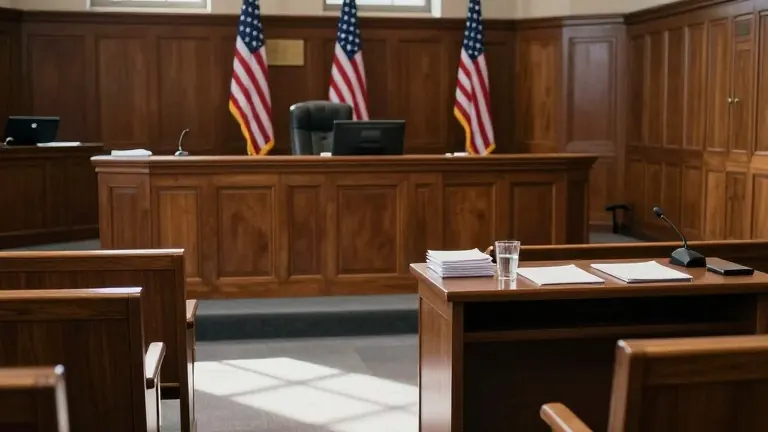
Pittsburgh officials and federal witnesses warned lawmakers on Monday that the state’s senior care infrastructure is buckling under demographic pressure. The hearing, held in the William S. Moorhead Federal Building, focused on the urgent need to reauthorize the Older Americans Act before funding gaps force cuts to essential services.
U.S. Sen. Dave McCormick, chairing the session alongside U.S. Sen. John Fetterman, cited specific local data to frame the crisis. He noted that while more than 2.5 million Pennsylvanians are currently 65 or older, the number of residents aged 85 and older in Allegheny County is projected to increase by 85% by 2050. McCormick described the region as the epicenter of the challenges facing an aging population.
Shannah Gilliam, director of the state’s Area Agency on Aging, told the committee that funding has remained flat while demand continues to climb. She urged Congress to pass the Older Americans Act Reauthorization Act of 2025, which the Senate unanimously approved in July but which is currently stalled in the House of Representatives. The legislation would renew programs through fiscal year 2030, including legal assistance, case management, and home-based social services.
Felleen Nancarvis, executive director of Meals on Wheels of Lancaster and board president of Meals on Wheels of Pennsylvania, provided concrete examples of financial strain. Her organization served 220,000 meals in 2025 with a staff of fewer than 10 employees and 500 to 600 annual volunteers. Nancarvis stated that the organization loses $2.30 on every meal delivered, limiting its ability to expand services despite having the capacity to serve more seniors.
Beyond nutrition, Nancarvis highlighted the social role of meal delivery. A survey conducted earlier this year found that one-third of clients reported that volunteer interactions were often their only human contact for a day or week. These exchanges typically last between 30 seconds and five minutes.
Martin Sliwinski, an expert on aging and loneliness from Penn State, warned that disconnection creates a cycle of social withdrawal that leads to poor health. He cited a 2024 Lancet Commission estimate that social isolation is associated with a 60% higher relative risk of dementia. Other analyses he referenced found that loneliness carries a 30% increased risk of dementia, even after accounting for depression.
Laura Poskin, gerontologist and chief aging officer at the Jewish Healthcare Foundation, called for investment in technology to support seniors. She projected that age tech breakthroughs in health, mobility, and social connection will reach a $120 billion market by 2030. Sliwinski added that while technology currently serves mainly for health monitoring and social connection, research has not yet determined if virtual engagement substitutes for in-person contact.