Lithium-Ion Battery Fire Risk Climb Driven by Market Dominance
Experts link rising incident rates to the energy-dense chemistry of the dominant rechargeable technology as production costs continue to fall.
By Isaac Medina ·
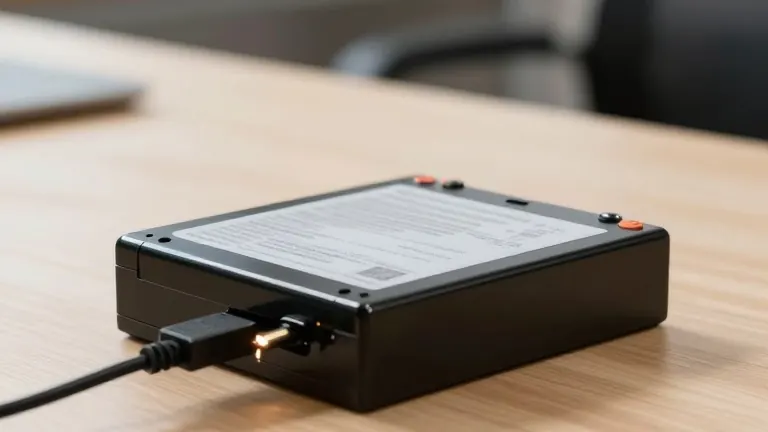
The global shift toward electrification has placed lithium-ion technology at the center of the consumer market, creating a tension between affordability and physical safety. As these cells power a wider range of everyday devices, safety advocates are pressing for better disposal tools and infrastructure to manage the increasing frequency of thermal events.
Lithium-ion batteries have become the standard for rechargeable energy storage due to their high energy density and decreasing manufacturing costs. This market dominance means that a larger share of consumer electronics now relies on a chemistry that experts describe as capable of rapid, high-temperature ignition under specific conditions. The result is a proportional rise in the number of fires associated with these power sources.
The risk profile of these batteries has evolved in step with their adoption. While the cells offer efficient energy storage, their composition allows them to transition from stable components to high-heat sources within seconds. Industry observers note that the falling cost of production has accelerated this uptake, placing a greater volume of potentially reactive materials into homes and commercial spaces.
Safety professionals point to the difficulty of safe disposal as a primary driver of the incident rate. Current consumer habits often leave spent batteries in household waste streams where they can short-circuit or degrade. Advocates argue that the sector lacks sufficient standardized tools and protocols to handle end-of-life cells, leading to preventable explosions and fires.
The market for these batteries continues to expand, with manufacturers prioritizing capacity and cost over specialized safety features. This business model has driven the technology to the point where it dominates the rechargeable sector. As the volume of units in circulation grows, the statistical likelihood of thermal runaway events increases, putting pressure on both producers and regulatory bodies to address the gap in safety infrastructure.
Next steps in the industry focus on developing more robust disposal mechanisms and refining material chemistry to reduce volatility. Stakeholders are working to establish clearer guidelines for handling damaged or end-of-life units. These efforts aim to align the rapid market growth with a more stable safety record for consumers.
More Business · Bad Business · Report a business · Got a Story?