Midterm Pattern: How Democrats Overcame Money and Maps to Retake Congress
Despite a massive spending advantage and favorable redistricting, Republicans lost control of both chambers as voters cited high prices and the Iran war.
By Anthony Shevchenko ·
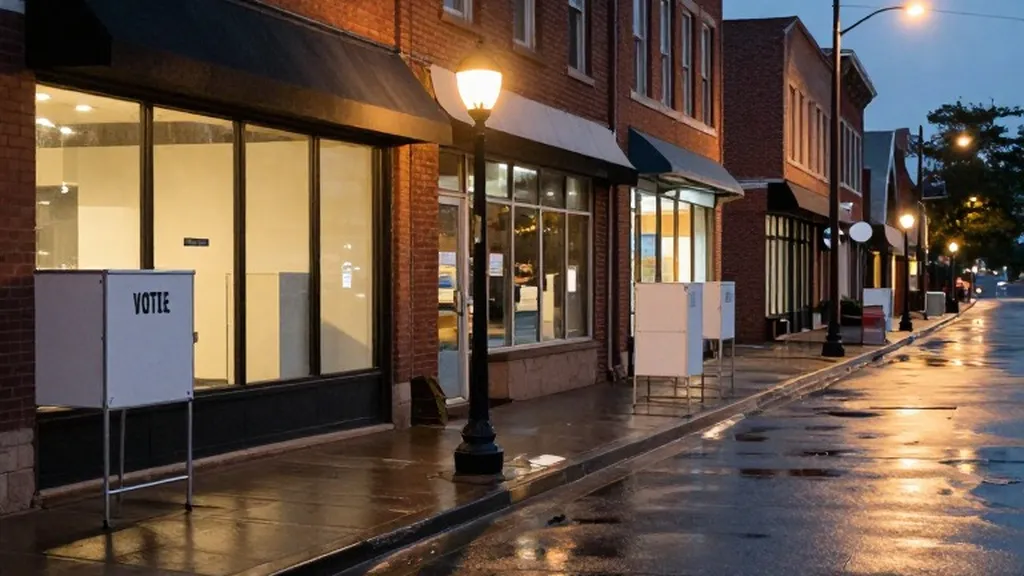
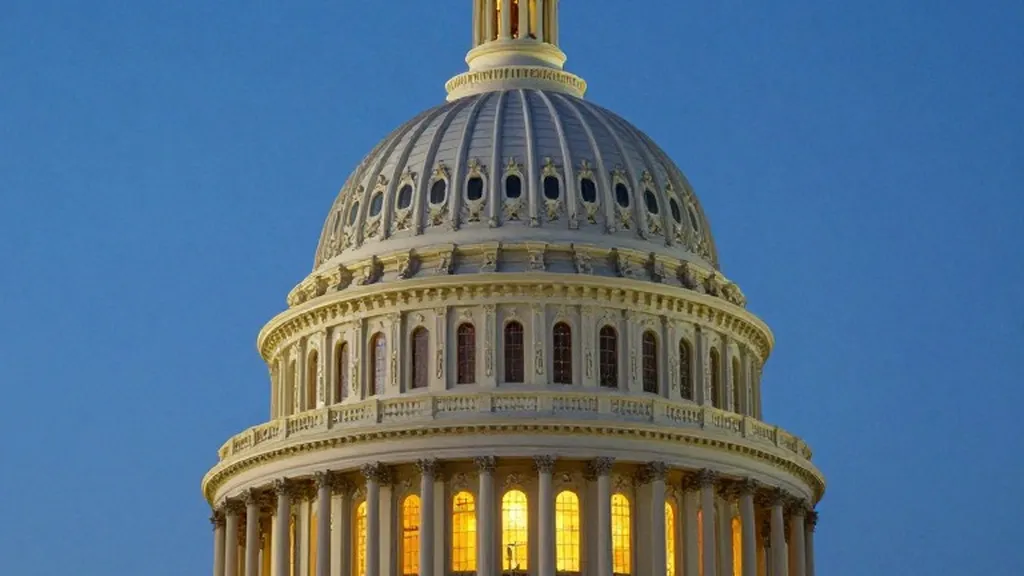
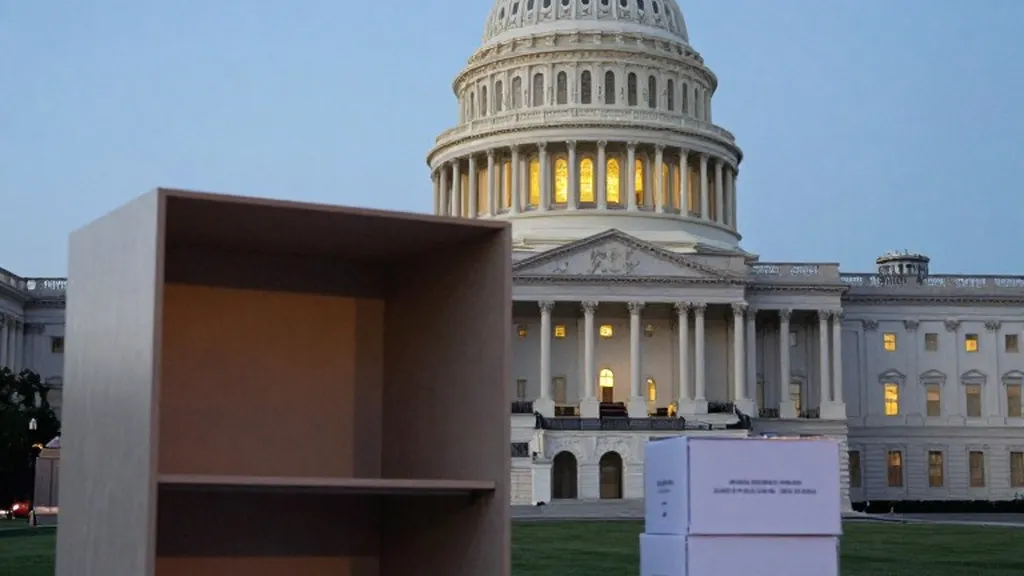
A president's party almost always loses seats in midterm elections, a pattern so consistent it often defines the political landscape. In 2026, that historical trend held firm, resulting in a decisive shift of power to the Democrats. The party out of power gained control of both the U.S. House of Representatives and the U.S. Senate, ending a period of Republican dominance that had persisted since the 2024 elections.
The scale of the Democratic victory was significant enough to qualify as a wave election for the Senate. According to Ballotpedia, the net loss of at least seven U.S. Senate seats by Republicans placed this year’s results in the top 20% of election years in terms of seat swings against a president’s party. In the House, Democrats picked up at least 43 seats, with 42 of those previously held by Republicans and one previously held by an independent. As of 4 p.m. EST on November 6, Democrats held a majority of at least 250-157 in the House and a 54-44 majority in the Senate.
Republicans entered the election with substantial structural advantages. They benefited from redistricting maps in several key states, including California, Florida, Missouri, North Carolina, Tennessee, and Texas, which were drawn to favor their party. Additionally, the 2026 midterm elections were expected to be the most expensive in history, according to the nonpartisan watchdog group OpenSecrets. In the Senate race alone, outside groups and independent committees spent at least $2 billion, separate from candidates’ direct expenditures. Republican-affiliated groups spent roughly 60% more than their Democratic counterparts, yet that financial edge did not prevent them from losing at least seven seats.
Despite the money and maps, voters focused on tangible issues that had weighed on their daily lives. The AP Voter Poll indicated that the electorate was deeply unhappy with the country's direction, with about three-quarters of respondents saying they feel angry or dissatisfied with the current trajectory. The cost of living was a central concern, with three-quarters of voters describing the economy as not so good or poor. About eight in ten said inflation has caused a severe or moderate financial hardship for their households, making it harder to afford basic essentials like gas and groceries.
The war in Iran also played a critical role in shaping voter sentiment. US Defense Secretary Pete Hegseth issued a video message vowing to fight efforts in Congress to impeach him and defended the Iran war as courageous and historic after voters punished Republicans over it. Roughly half of voters cited government corruption and the cost of living as crucial to their vote for Congress, placing these issues ahead of immigration enforcement and AI data centers. This dissatisfaction was not limited to blue states; a majority of voters in red states were at least dissatisfied with the country's direction.
In the Mid-Atlantic region, the results reflected this national trend. In Virginia, Democratic Sen. Mark Warner was easily reelected, securing his seat in a state that had voted for the president in the 2024 presidential election. His victory was part of a broader Democratic gain in the region, where voters looked for accountability in the face of rising prices and foreign policy decisions. The ease of Warner's win underscored the strength of the Democratic brand in the state despite the national headwinds facing the party.
Meanwhile, in states without Senate races, the focus shifted to gubernatorial contests and the overall trifecta status. Democrats won a majority of governorships for the first time since before the 2010 elections. In the 36 gubernatorial races on the ballot, Democrats had won 22 and Republicans 12 as of the final updates. Five offices changed party control, all from Republicans to Democrats. This shift contributed to a total of 20 Democratic trifectas across the country, compared to 16 Republican trifectas and eight divided governments.
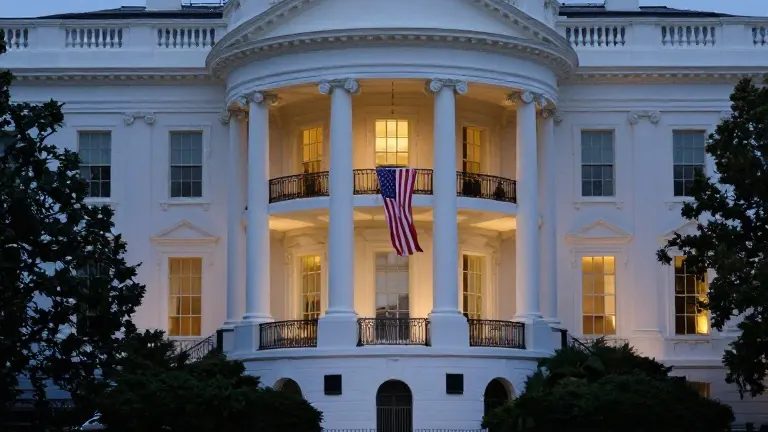
The defeat has already begun to reshape the White House. President Donald Trump is in a period of major transition, struggling with his party's deep losses. On Saturday, he announced he was replacing his longtime adviser Susie Wiles, who was seen as a tempering force on his impulses, with aide Stephen Miller to serve as the next chief of staff. Miller is known as the architect of the administration's hard-line immigration policies and is among the most determined of Trump's inner circle. The shake-up follows a tumultuous week in which Trump tried out a new press secretary, Katie Zacharia, who left the job after five days.
Trump also made an unconventional move to fill the vacant press secretary role, offering the position to UFC boss Dana White. Trump posted on social media that he made the offer to the Great Dana White, a violent Fighter and Warrior, suggesting White bring along several UFC fighters as assistants to defend the administration against the Lunatic Left. The White House did not immediately confirm the offer, and White, who was in London for a boxing event, shared an image of himself standing behind the podium in the White House press briefing room with the words On to the next chapter.
Looking ahead, Democrats are already turning their attention to what could become one of their most crowded and unpredictable presidential primaries in decades. The 2028 contest is likely to expose the party's divide over how to win back the White House. For now, the focus is on implementing the checks and balances voters demanded in November. With control of both chambers, Democrats have the power to oversee the administration, investigate spending, and shape the legislative agenda, marking a new chapter in the political cycle.