Trump's $5,000 dividend faces reality check after GOP loses both chambers
Voters rejected the party that conditioned a trillion-dollar payout on its victory, and Democratic leaders are now preparing to investigate the plan.
By Isaac Medina ·
President Donald Trump’s campaign promise to send a $5,000 check to every American adult has moved from a bold political pitch to a fiscal puzzle following a decisive defeat for his party. At the Republican Midterm Convention in Dallas, Trump told the crowd that if Republicans kept control of both the House and Senate, they would win a "Trump dividend." The condition has now failed, as Democrats secured majorities in both chambers, leaving the president to explain how he intends to deliver on a pledge that requires congressional approval.
The election results in the Mid-Atlantic reflect the broader national trend. In Pennsylvania, incumbent Governor Josh Shapiro won re-election in a state where polls closed at 8 p.m. Delaware voters re-elected incumbent Senator Chris Coons, while Maryland voters kept incumbent Governor Wes Moore in office. In Virginia, which had earlier closing times, incumbent Senator Mark Warner was easily re-elected. These victories for Democrats in key states underscore the wave of dissatisfaction with the administration that defined the November 3 vote.
Speaker Mike Johnson, who led the House for three years, acknowledged the legal hurdle facing the dividend shortly after the promise was made. Speaking on Sunday news programs, Johnson stated that congressional approval is needed to send the checks. He described the idea as creative and pledged that Congress would work through it to find consensus, despite the slim Republican margin his party previously held. Now that Democrats hold the majority, the path for that legislation has become significantly more complex.
Criticism of the proposal emerged from both parties even before the votes were counted. Texas Congressman Chip Roy, a Republican, wrote on social media that dependency is evil and soul-sucking in all its forms, questioning the price tag of such a large-scale payout. Election law expert Rick Hasen of the UCLA School of Law noted that while the promise is likely protected by the First Amendment as a campaign pledge, the president does not have the unilateral power to execute it without the cooperation of Congress.
The fiscal implications of the dividend are substantial. The U.S. Census Bureau estimates there are approximately 245 million adult U.S. citizens, meaning a $5,000 payment to each would cost about $1.2 trillion. This expenditure would strain the country's nearly $1.8 trillion annual budget deficit. Erica York, a senior economist at the Tax Foundation, wrote that the cost of the checks would consume almost all the revenue projected from the new tariffs over a decade, raising questions about the long-term sustainability of the plan.
Democratic leaders in the new Congress are preparing to scrutinize the administration’s financial decisions. Representative Robert Garcia, who is poised to chair the House Oversight Committee, said investigations into the Trump administration are coming. He declared that the days of not fighting back are over. This investigative stance aligns with the mandate given by voters, many of whom cited the cost of living and government corruption as crucial issues in their decision to support Democratic candidates.
The promise of the dividend was part of a broader effort to appeal to voters concerned about the economy. Trump argued that the United States was taking in $21 trillion in revenue, a figure he attributed largely to tariffs. However, consumer sentiment remained weak as gasoline prices rose due to the war in Iran and wages struggled to keep pace with inflation. The AP Voter Poll found that three-quarters of voters said the economy was not so good or poor, suggesting that the promise of a cash bonus may have been insufficient to offset the daily financial pressures felt by many households.
In the weeks leading up to the election, Trump maintained that the payments would happen regardless of the political outcome, telling reporters in Ireland that the $5,000 checks were going to happen 100%. He suggested the money would come from the strong economy and tariff revenues. Yet, the administration had not announced a formal plan for distributing the checks, and the White House press release provided no details on the logistics of such a massive transfer of funds to millions of accounts.
The shift in power in Washington means that the Democrats, who now control the legislative agenda, will have the primary say on how the dividend is structured and funded. Some incoming senators have expressed a desire to focus on guardrails and working-class families rather than just conflict. This focus on the cost of living is particularly relevant in the Mid-Atlantic region, where voters in states like Maryland and Virginia faced high grocery and energy costs during the campaign.
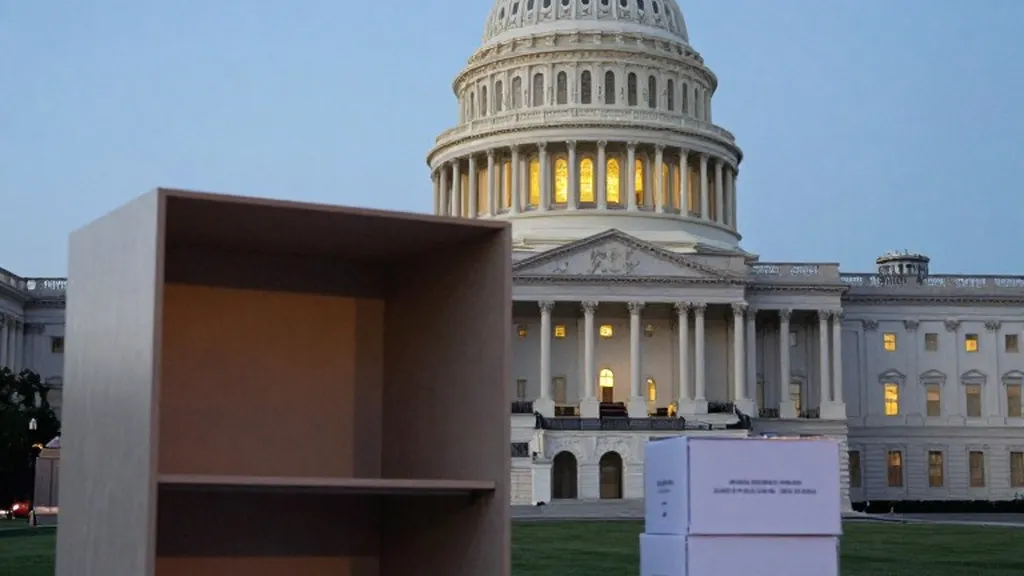
As the new Congress prepares to convene in January, the $5,000 dividend will be one of the first major fiscal proposals to face a Democratic majority. The outcome of this debate will serve as a test of the administration’s ability to enact its economic agenda and the new Congress’s commitment to providing a check on executive power. For now, the promise remains a central point of contention between a president who insists on delivery and a Congress that holds the purse strings.
The election results also highlighted the importance of state-level races in shaping the national narrative. In the Mid-Atlantic, the retention of Democratic control in statehouses and the election of new senators have created a unified front for the party in the region. This regional strength may influence the national conversation on spending and taxation as lawmakers return to Capitol Hill to address the deficit and the future of the proposed dividend.