Trump's $5,000 Dividend: A Vote-Buying Gambit?
With polls open in the Mid-Atlantic, experts weigh the legal and fiscal hurdles of the president's $1 trillion promise.
By Anthony Shevchenko ·
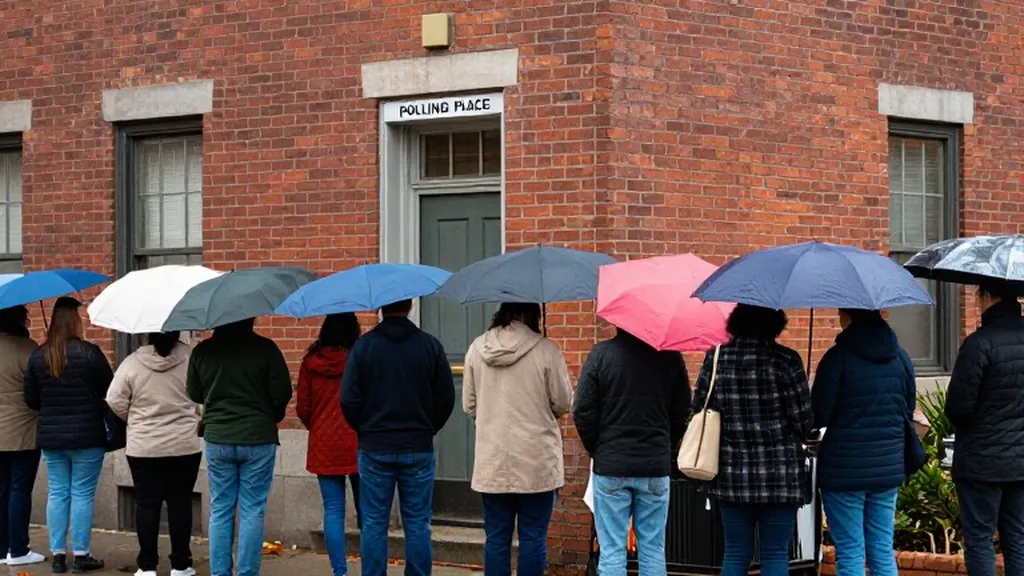
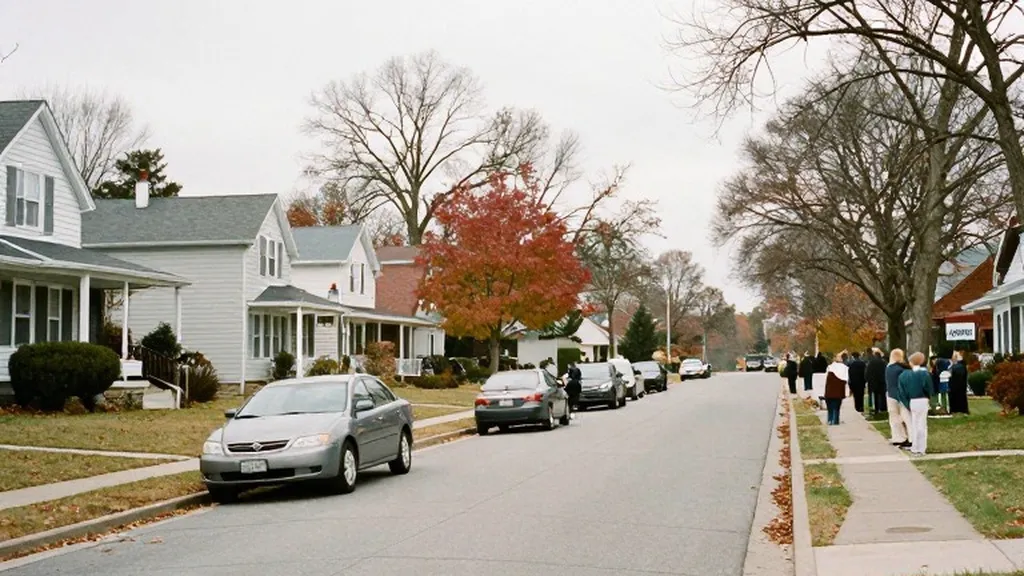
Voters in the Mid-Atlantic are heading to the polls on Tuesday, November 3, 2026, to decide which party controls Congress for the remainder of President Donald Trump's second term. In Pennsylvania, Delaware, Maryland, and Virginia, citizens are casting ballots on a slate of high-stakes races that will determine the balance of power in Washington. The election is being framed as a referendum on the president's first two years, with many voters citing high prices and an unpopular war with Iran as primary concerns. Amidst this backdrop of economic anxiety, a specific campaign promise has intensified the debate over the role of money in this election.
During the Republican midterm convention in Dallas last week, President Trump pledged to send a $5,000 check to every American adult if Republicans maintain control of both the House and the Senate. The president labeled the payment a 'Trump dividend,' arguing that the nation's economic success would make such a payout possible. He told the Dallas crowd that if the Republicans win, voters would 'win with us' and receive the funds. This promise has become a central talking point for both parties, with Democrats questioning the feasibility of the plan and Republicans defending it as a reward for supporting their agenda.
The scale of the promise is significant. The U.S. Census Bureau estimates there are approximately 245 million U.S. Citizen adults. Sending a $5,000 check to each of these individuals would cost the federal government about $1.2 trillion. This massive expenditure would be added to an annual budget deficit that is nearly $1.8 trillion. Critics argue that such a large infusion of cash could exacerbate existing inflationary pressures, while supporters point to the administration's claim of strong tariff revenues as a potential funding source.
House Speaker Mike Johnson, R-Louisiana, addressed the legal mechanics of the promise in a statement on Sunday. He confirmed that congressional approval is required for the payments to be distributed. Johnson said, 'I would assume, yes, he'd need Congress to act, and that's a creative idea.' Despite acknowledging the need for legislative action, Johnson pledged to work with the president to make the dividend a reality if his party holds its seats. He described the president as the 'big ideas president' and committed to finding consensus on the proposal.
Bipartisan criticism has emerged regarding the timing and intent of the announcement. Election law expert Rick Hasen, a professor at the UCLA School of Law, noted that while the promise is likely legal, it raises questions about whether the president is attempting to buy votes. Hasen explained that such campaign promises are protected by the First Amendment, similar to other political pledges like tax cuts or healthcare expansions. However, the specificity of the dollar amount and the condition attached to the election outcome have led some observers to view the move as a strategic financial incentive for voters.
PolitiFact has examined the promise and found that the biggest payment is far from certain. The fact-checkers noted that the White House has announced no formal plan for how the checks would be distributed or funded. They highlighted that while Trump cited tariff revenues, previous estimates from the Tax Foundation suggested that current tariff income would not cover the full cost of the dividend. The analysis indicated that the $5,000 checks would consume almost all projected tariff revenue over a decade, raising doubts about the sustainability of the proposal.
For voters in the Mid-Atlantic, the promise adds a layer of complexity to an already crowded ballot. In Pennsylvania, polls are open from 7 a.m. To 8 p.m., with no Senate race but a contest for governor where incumbent Josh Shapiro faces challengers. Delaware voters also have polls open from 7 a.m. To 8 p.m. And are choosing between incumbent Senator Chris Coons and his opponent for the Senate seat. In Maryland, polls open at 7 a.m. And close at 8 p.m., with voters selecting a new governor to succeed incumbent Wes Moore, who is term-limited. Virginia voters have a slightly earlier window, with polls open from 6 a.m. To 7 p.m., and are deciding the Senate race involving incumbent Mark Warner.
More than 57 million people had already voted as of Monday, surpassing early vote totals from four years ago in many closely watched states. This high level of early participation suggests that many voters have already considered the economic promises made by both parties. The AP-NORC polling indicates that 35% of U.S. Adults approve of Trump's job performance, while 25% approve of his handling of the economy. These numbers suggest that while the $5,000 promise may appeal to some, a majority of voters remain skeptical about the economic direction of the country.
Republican leaders have emphasized that the dividend is a sign of confidence in the administration's economic policies. Trump told reporters in Ireland that the payments would be 'easy enough' because the United States is 'taking in so much money.' He contrasted this with the Democratic record, which he described as leading to negative growth and high inflation. Democrats, however, argue that the promise is a last-ditch effort to energize their base and offset the party's traditional weakness in economic messaging during midterm cycles.
As polls open across the region, the focus shifts from campaign promises to the practical act of voting. In Pennsylvania, Delaware, Maryland, and Virginia, election officials are monitoring turnout to ensure that all eligible voters can cast their ballots. The U.S. Postal Service has added hours and staff to ensure that mail-in ballots are counted on time, addressing concerns about postal delays. The outcome of these Mid-Atlantic states will be closely watched as they are considered key battlegrounds in the fight for congressional control.