Midterms 2026: Parties Battle Historical Odds in Mid-Atlantic
Democrats seek to break the midterm curse in key states while Republicans rely on redistricting and early voting leads.
By Isaac Medina ·
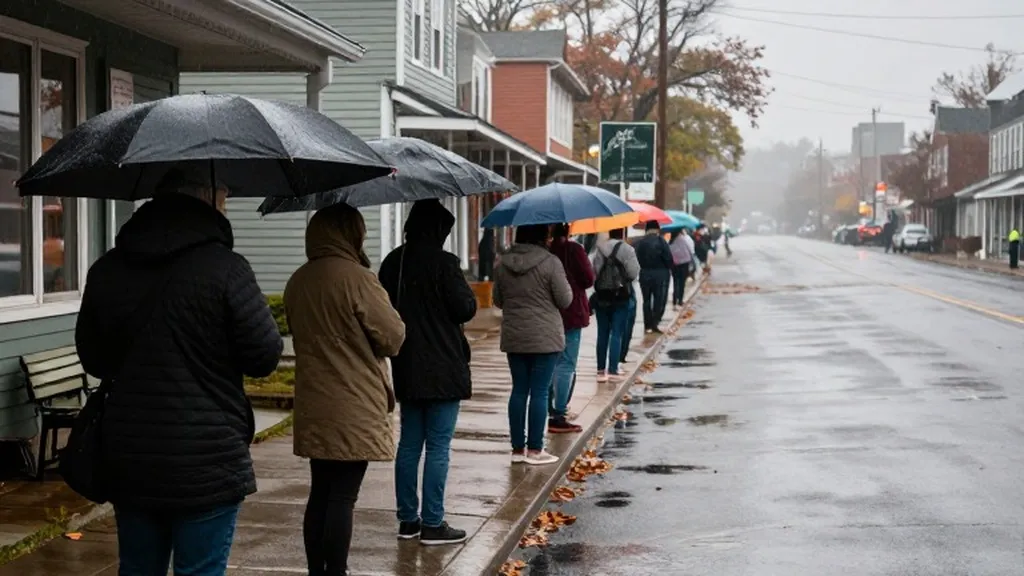
The midterm election of 2026 has arrived, marking the halfway point of President Donald Trump's second term. As polls open across the country, the central question is whether the president's party can defy a long-standing historical trend. In midterm elections, the party controlling the White House almost always loses seats in Congress. Both Democrats and Republicans have strategized extensively to overcome this pattern, but the outcome remains undecided as voters head to the polls.
The stakes are high for control of Congress, which will oversee the administration for its final two years. Republicans currently hold 218 seats in the House and 53 in the Senate. Democrats need a net gain of three House districts and four Senate seats to claim majorities. The election is being viewed as a referendum on the president's performance, with many voters expressing frustration over high prices and an unpopular war with Iran. Only 35 percent of U.S. Adults approve of the president's job performance, while about seven in ten say the country is heading in the wrong direction.
In the Mid-Atlantic region, the race is particularly tight. In Pennsylvania, voters are deciding the governor's race with incumbent Josh Shapiro seeking reelection. There is no Senate race in the state this year. In Delaware, incumbent Senator Chris Coons faces a challenge in a Senate race where the polls are open. The state has no governor race this cycle. In Maryland, incumbent Governor Wes Moore is on the ballot, while no Senate seat is up for election. Virginia, with earlier poll hours closing at 7 p.m., features a Senate race where incumbent Mark Warner is seeking another term. There is no governor race in Virginia this year.
Republicans have invested heavily in redistricting to offset the historical disadvantage. Six states, including Florida and Texas, are using new congressional maps drawn after the mid-decade census. Ohio also adopted a new map. These changes were designed to solidify Republican advantages, yet the Associated Press notes that some new districts may not vote as predicted. Despite these efforts, Republicans are bracing to lose the House and are fighting to hold the Senate. The party has relied on significant fundraising advantages, with Republican committees outspending Democratic counterparts, aided by Trump-affiliated groups and Elon Musk.
Democrats, meanwhile, are described as cautiously optimistic. They are focusing on economic anxiety and oversight of the administration. If they win either chamber, investigations and potential impeachment proceedings become more likely. House Democratic Leader Hakeem Jeffries has outlined a 100-day agenda focused on the cost of living and oversight. A strong Democratic performance would also boost the profiles of potential 2028 candidates such as Gavin Newsom and Pete Buttigieg. The party is counting on high turnout to counter the Republican money edge and the structural advantages of the new maps.
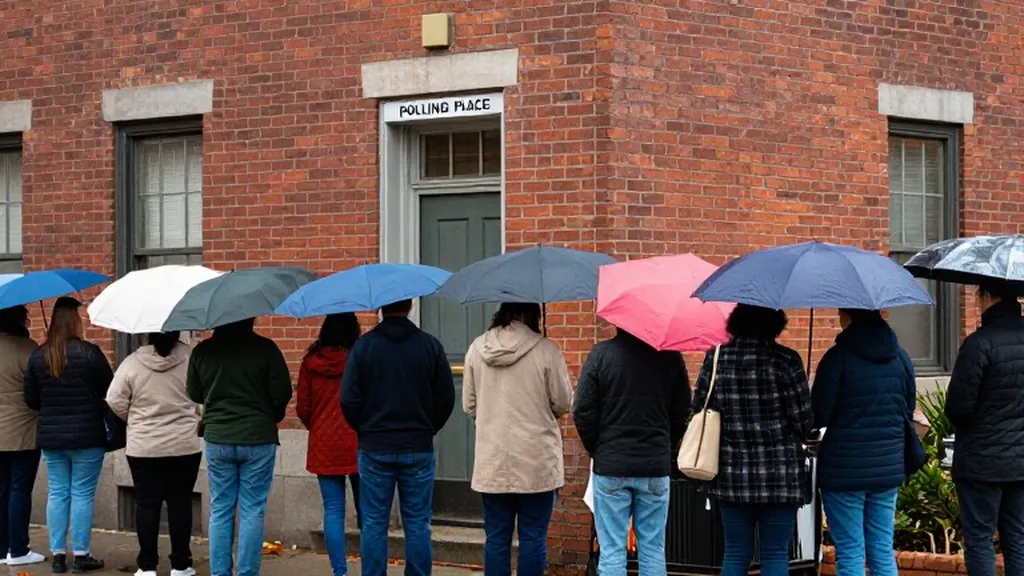
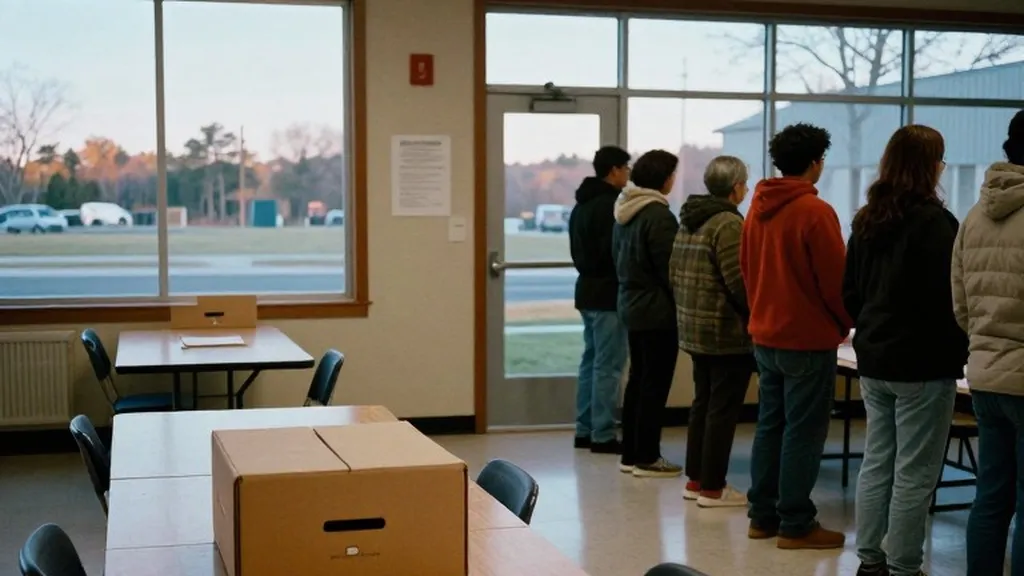
Voting behavior has shifted in recent years, with more than 57 million people having already cast their ballots before Election Day. This early vote total surpasses the numbers from four years ago in many closely watched states. In the Mid-Atlantic, voters in Pennsylvania, Delaware, and Maryland have access to polls from 7 a.m. To 8 p.m., while Virginia voters can cast ballots from 6 a.m. To 7 p.m. The U.S. Postal Service has added staff and hours to ensure mail ballots are counted on time, addressing concerns about processing delays.
The mood among voters is driven by daily economic realities. A librarian in Raleigh, North Carolina, noted that he is paying more for taxes, healthcare, and everything else. In contrast, a voter in Florida expressed satisfaction with the president's work. These divergent views highlight the split in the electorate. Republicans are urging their base to turn out in high numbers, with RNC Chairman Joe Gruters stating that everything depends on turnout. Democrats, led by DCCC Chair Suzan DelBene, are telling voters that the American people are angry and want change.
Legal challenges have also played a role in the election administration. A federal judge temporarily barred the Trump administration from implementing a plan to prevent noncitizen voting, a move critics say risks disenfranchising eligible voters. Another judge ordered the administration to stop demanding that California election officials segregate ballots from suspected noncitizens. The Justice Department has threatened to prosecute local election officials, leading some Democrats to fear interference. In Alaska, the Trump administration filed a lawsuit related to the certification of the Senate result, adding another layer of complexity to the election process.
Wall Street is watching the results closely, as control of Congress could influence investor confidence regarding AI spending and debt ceiling negotiations. The outcome will determine the balance of power in Washington for the next two years. As polls open, the focus shifts to the Mid-Atlantic and other battlegrounds where every seat counts. The historical pattern suggests a loss for the president's party, but the strategies employed by both sides this year aim to break that cycle. Voters are making their choices in a landscape shaped by economic strain, partisan division, and legal maneuvering.
The election is not just about the current administration but also about the future direction of the country. Democrats hope to hold a majority of governorships for the first time in two decades, a goal that requires net gains in states like Pennsylvania and Maryland. Republicans are defending their governorships in states like New Hampshire and Vermont. The final tally will reveal whether the midterm curse holds or if the 2026 cycle marks a departure from history. For now, the polls are open, and the decision rests with the voters.