Voters in Mid-Atlantic states weigh tariffs and high prices
AP-NORC data shows economic strain driving turnout as Delaware, Maryland, Pennsylvania and Virginia decide leadership for Congress.
By Isaac Medina ·
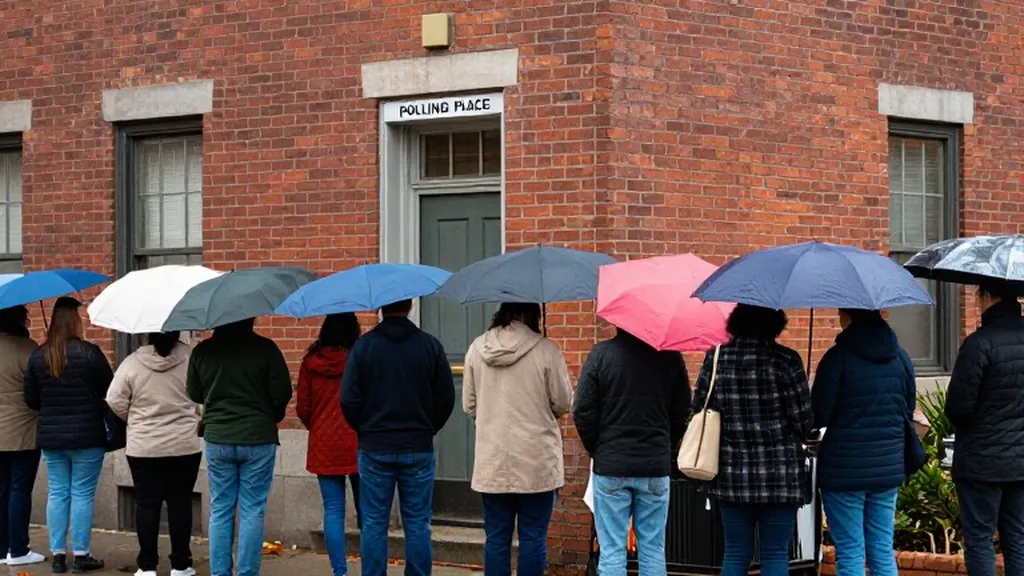
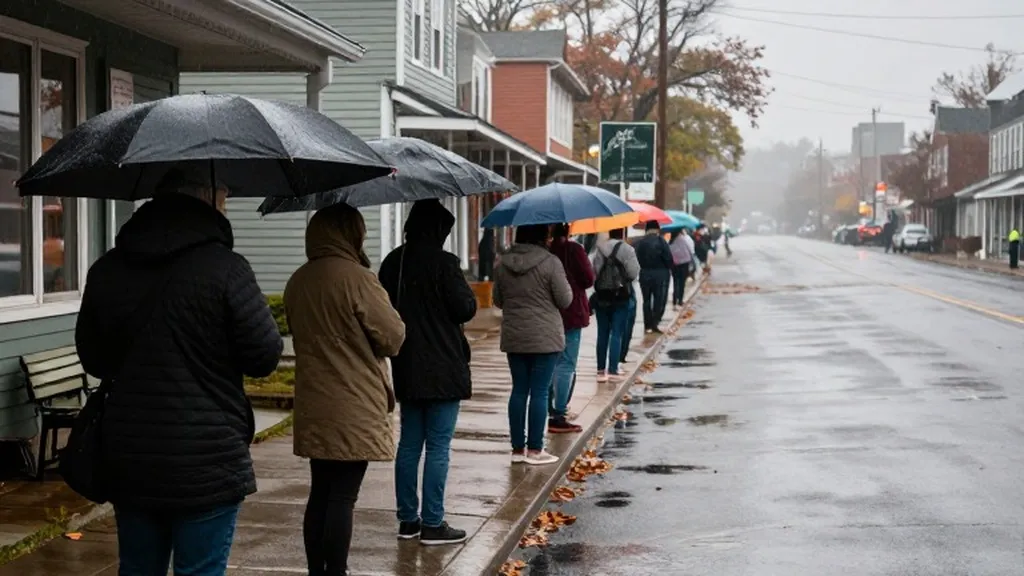
Polls are open across the Mid-Atlantic as voters decide which party controls Congress for the final two years of President Donald Trump's second term. In Delaware, Maryland, Pennsylvania and Virginia, the cost of living has emerged as the central issue. The Associated Press describes the election as a referendum on the administration's handling of the economy, with many voters expressing frustration over persistent high prices. These states are part of a national contest where Democrats need a net gain of four Senate seats and three House seats to claim majorities in both chambers.
New polling and NORC Center for Public Affairs Research indicates that 35% of U.S. Adults approve of Trump's job performance. Only 25% approve of his handling of the economy, while about seven in ten say the country is heading in the wrong direction. The data shows that most respondents blame the president for high prices. This sentiment is particularly resonant in the Mid-Atlantic, where voters are evaluating the impact of tariffs and inflation on their daily lives.
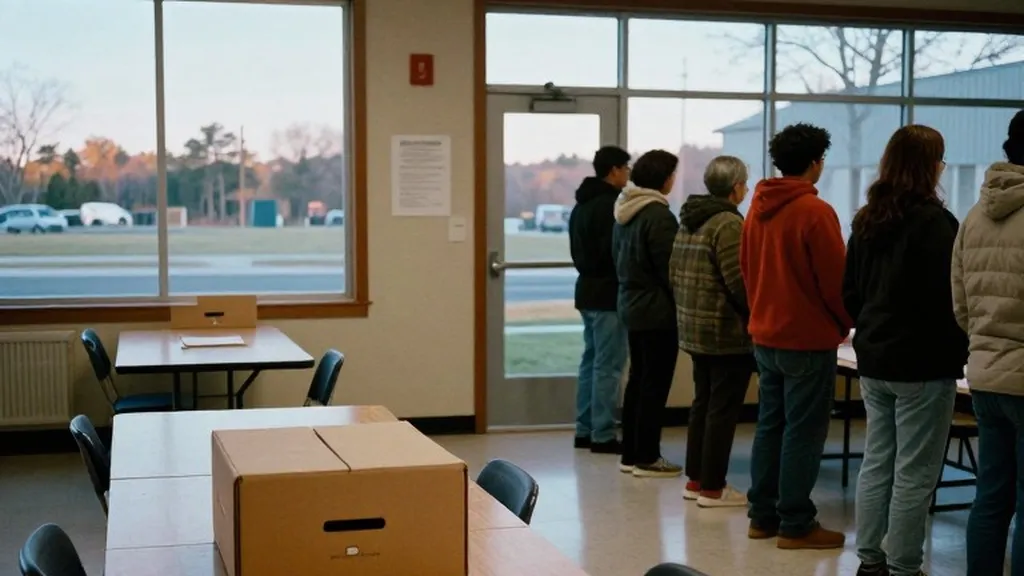
In Delaware, voters are choosing between incumbent Senator Chris Coons and his opponent. Polls are open from 7 a.m. To 8 p.m. Local time. The state is part of a broader national trend where economic anxiety is driving voter behavior. The AP notes that more than 57 million people had already voted as of Monday, surpassing early vote totals from four years ago in many closely watched states. This high level of participation suggests that economic concerns are a primary motivator for early and Election Day voting.
Maryland voters are heading to the polls from 7 a.m. To 8 p.m. To choose their governor. Incumbent Governor Wes Moore is seeking re-election in a race that reflects national themes of economic oversight. The state does not have a Senate race on the ballot this year. Voters in Maryland are joining a national coalition of Democrats who are cautiously optimistic about winning at least one chamber of Congress. If successful, this would likely lead to increased investigations and oversight of the administration, a priority for Democratic leaders who cite the need to check executive power.
In Pennsylvania, polls are open from 7 a.m. To 8 p.m. As voters decide the governor's race featuring incumbent Josh Shapiro. The state does not have a Senate contest. Pennsylvania is one of six states using new congressional maps after mid-decade redistricting. The AP reports that Republican committees have outraised and outspent Democratic committees at the national level, helped by Trump-affiliated groups. However, Democrats have outraised their opponents at the candidate level, a dynamic that is playing out in key Mid-Atlantic districts where economic issues are paramount.
Virginia voters are casting ballots from 6 a.m. To 7 p.m. To decide the Senate race featuring incumbent Mark Warner. The state does not have a governor's race. Virginia is part of a group of states where the economic mood is heavily influenced by the administration's trade policies. The AP notes that tariffs have made races competitive in states like Maine, and similar economic pressures are felt in the Mid-Atlantic. Voters in these regions are closely watching how trade disputes affect local businesses and household budgets.
The Associated Press highlights that voters are struggling with high prices and are angry over an unpopular war with Iran. These two issues form the core of the national narrative for this midterm election. In the Mid-Atlantic, the focus is heavily on the economy, with health care costs also cited as a significant burden. The AP-NORC numbers show that the economy is the top issue for a plurality of voters. This aligns with the concerns of Democratic figures who are campaigning on a platform of cost-of-living relief and administrative oversight.
Voters in the region are making their choices in the context of a historic amount of campaign spending. The 2026 elections are likely to be the most expensive in history. Republican committees have spent significantly more, with 88.1% of their general election TV ad spending going to states and districts Trump won in 2024. This financial advantage is an obstacle for Democrats in the Mid-Atlantic, who are relying on high turnout and strong ground operations to counter the Republican money edge. The redistricting that took place in some states has also altered the political landscape, creating new challenges for candidates in both parties.
The mood in the Mid-Atlantic is one of cautious engagement as voters weigh their options. The AP quotes DCCC Chair Rep. Suzan DelBene saying that the American people are angry and want change. This sentiment is echoed in polling data that shows a significant portion of the country believes it is headed in the wrong direction. In Delaware, Maryland, Pennsylvania and Virginia, the outcome of these races will help determine whether Democrats can implement their agenda on the cost of living and oversight. The results of these elections will also have implications for the 2028 presidential cycle, with potential candidates watching the performance of their party's candidates closely.
As polls close in the Mid-Atlantic, the focus remains on what voters are doing rather than who is winning. The AP notes that Republicans are bracing to lose the House and are fighting to hold the Senate. In the Mid-Atlantic, the races in Delaware, Maryland, Pennsylvania and Virginia are part of this national struggle. The economic issues that drive voters in these states are mirrored across the country, with tariffs and high prices at the forefront of the debate. The outcome of these elections will shape the balance of power in Congress for the next two years, with significant implications for the administration's ability to govern.