A practical guide to voting in the Mid-Atlantic on Election Day
Polls open at different times across the region, and mail ballot logistics remain a key concern for voters.
By Beatriz Soto ·

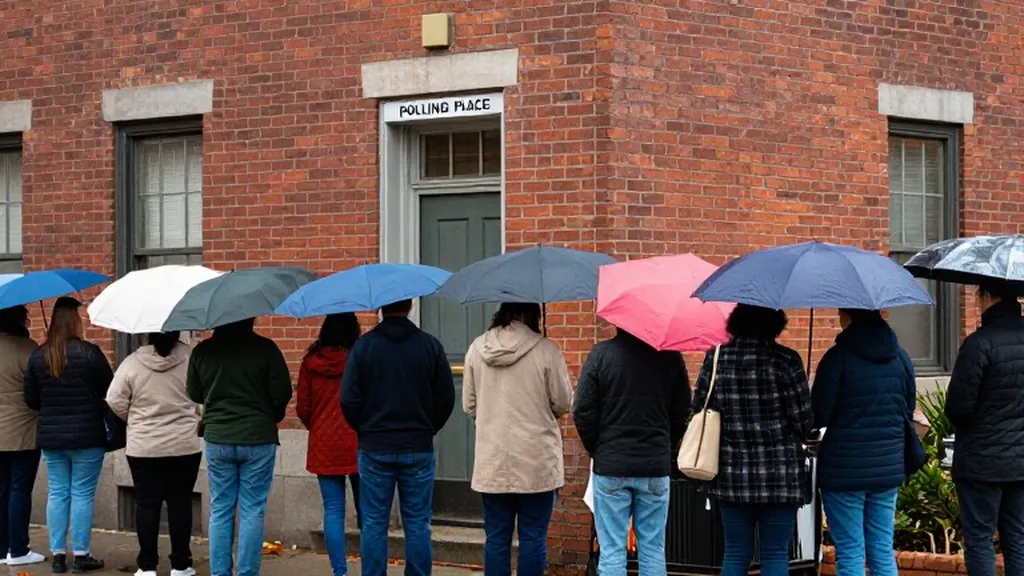
Voters in the Mid-Atlantic region face a specific schedule of polling hours on Tuesday, November 3, 2026. Polling places in Pennsylvania, Delaware, and Maryland are open from 7 a.m. To 8 p.m. Local time. In Virginia, polls open earlier, at 6 a.m., and close at 7 p.m. These times are strictly local, and voters are advised to confirm their specific polling place using vote.gov or their state election office website.
The election is a critical referendum on the administration, with voters expressing frustration over high prices and an unpopular war with Iran. The Associated Press notes that more than 57 million people had already voted as of Monday, surpassing early vote totals from four years ago in many closely watched states. This early participation highlights the importance of understanding all available voting methods, including in-person and mail-in options.
Mail ballots are a significant component of the election process, particularly in states that rely heavily on this method. The U.S. Postal Service has added hours, staff, and special lines to ensure mail ballots are counted on time. For voters in states like Pennsylvania, where mail ballots are common, checking the status of their ballot and understanding the deadline for return is essential. The Postal Service efforts are a response to concerns about timely delivery and processing.
Identification rules vary by state, and voters should check their specific requirements before heading to the polls. While some states have strict ID laws, others are more lenient. A federal judge temporarily barred the Trump administration from carrying out a plan to prevent noncitizen voting, which critics argued could disenfranchise eligible voters. This legal development adds another layer of complexity to the voting process, making it crucial for voters to be informed about their state's specific rules.
In Pennsylvania, voters are electing the governor, with incumbent Josh Shapiro on the ballot. There is no Senate race in the state this cycle. In Delaware, the focus is on the Senate, where incumbent Chris Coons is seeking re-election. The state does not have a governor race this year. In Maryland, the governor's race features incumbent Wes Moore, with no Senate race on the ballot. Virginia is holding a Senate race with incumbent Mark Warner, and there is no governor race in that state.
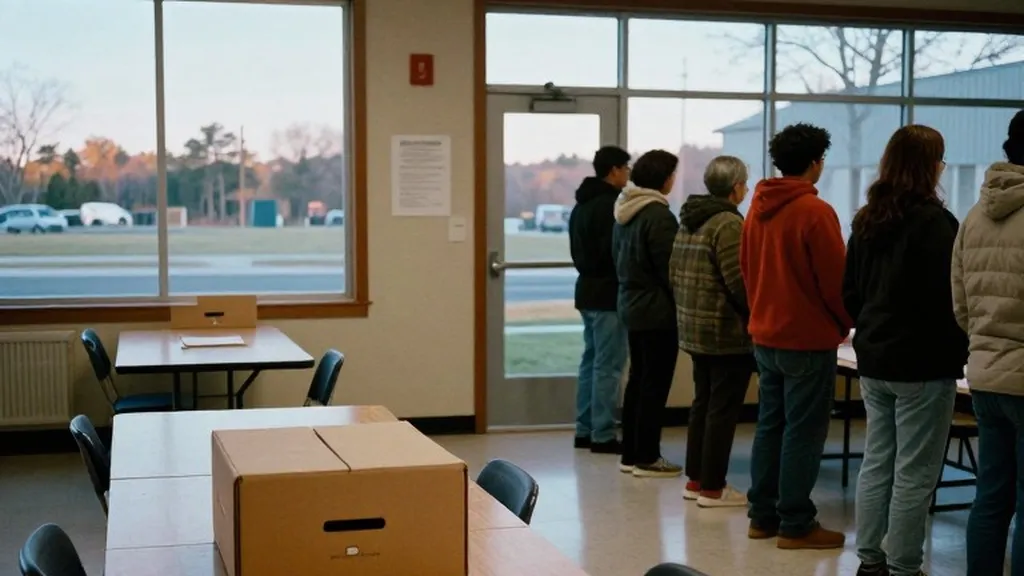
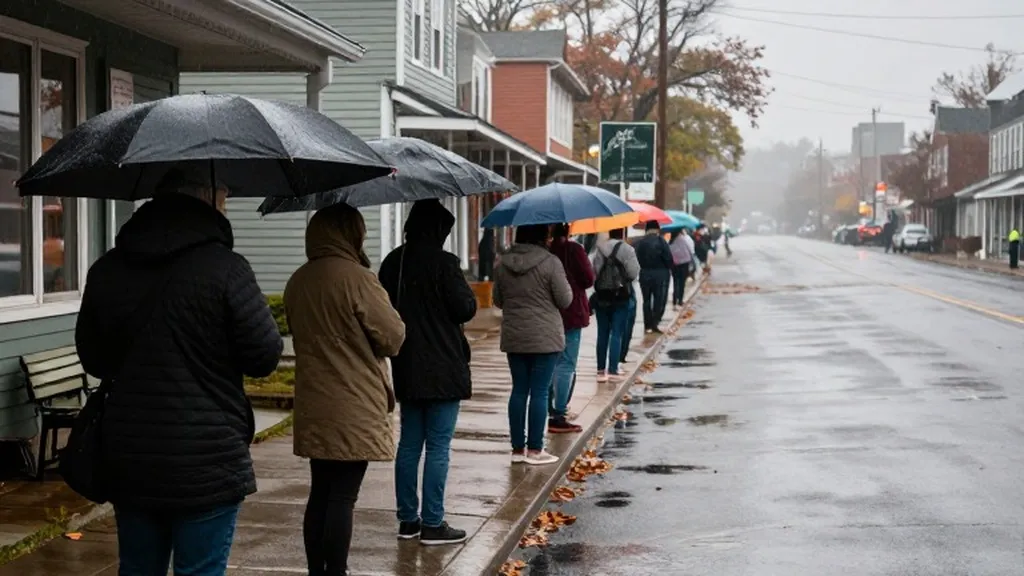
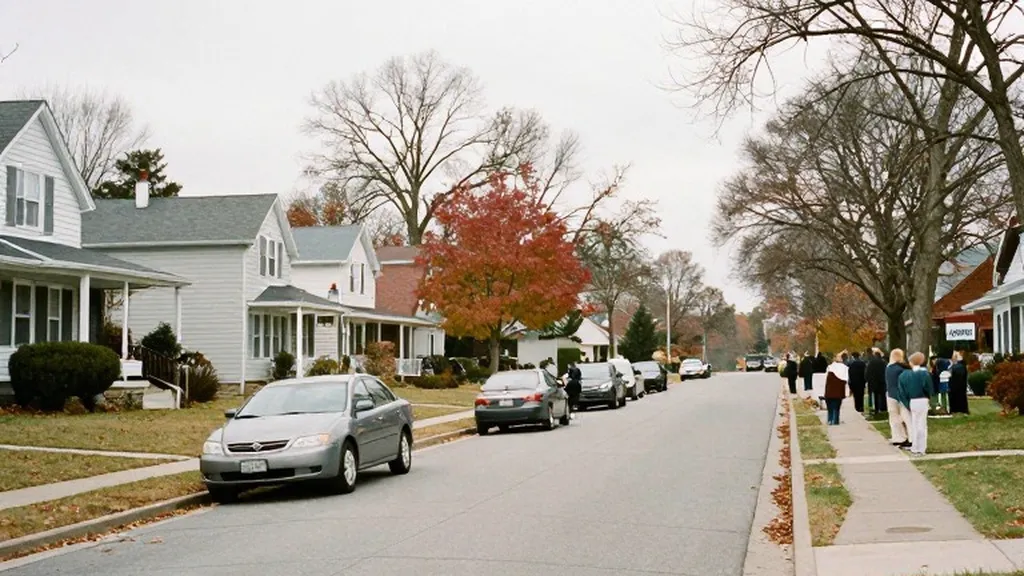
Staying in line is a common concern for voters, especially during peak hours. Federal law guarantees that anyone in line when polls close is entitled to vote. This rule provides a safety net for those who may face long waits. Voters are encouraged to arrive early if possible to avoid the rush, but those who arrive near closing time should know their rights. The Associated Press notes that one or two seats could tip the balance in either chamber, making every vote significant.
The cost of living and health care are top issues for many voters. The Associated Press cites AP-NORC polling showing that 35% of U.S. Adults approve of President Trump's job performance, while only 25% approve of his handling of the economy. About seven in 10 say the country is heading in the wrong direction. These sentiments are likely to influence voting behavior in the Mid-Atlantic, where economic concerns are prominent.
Republicans were bracing to lose the House and fighting to hold the Senate, while Democrats were described as cautiously optimistic. The Associated Press notes that Democrats need a net gain of three districts for a House majority, while Republicans can lose no more than two. In the Senate, Democrats need a net gain of four seats for a majority, while Republicans can lose only two. These numerical thresholds underscore the competitive nature of the election in the region.
The election administration has been marked by legal challenges and logistical adjustments. A judge ordered the administration to stop demanding that California election officials segregate ballots cast by people on its lists of suspected noncitizens. This ruling is part of a broader effort to ensure fair and accessible elections. Voters in the Mid-Atlantic should stay informed about any local changes to voting procedures or ballot handling.
As polls open across the region, voters are heading to the polls with a clear understanding of the stakes. The Mid-Atlantic region, with its mix of Senate and governor races, is a key battleground. The Associated Press and Reuters have highlighted the importance of turnout and the potential impact of the election on national policy. Voters are advised to check their local news sources for any updates on polling place locations or hours.
The day's events will unfold as millions of Americans exercise their right to vote. The practical details, such as poll hours and ID rules, are crucial for a smooth voting experience. Voters in Pennsylvania, Delaware, Maryland, and Virginia have the opportunity to shape the future of their states and the nation. The election is a testament to the enduring power of the democratic process, even in times of political polarization and economic uncertainty.