Mid-Atlantic voters face razor-thin House fight as polls open
With a three-seat margin determining House control, voters in Pennsylvania, Delaware, Maryland and Virginia decide their fates on a day defined by cost of living concerns and redistricting shifts.
By Beatriz Soto ·
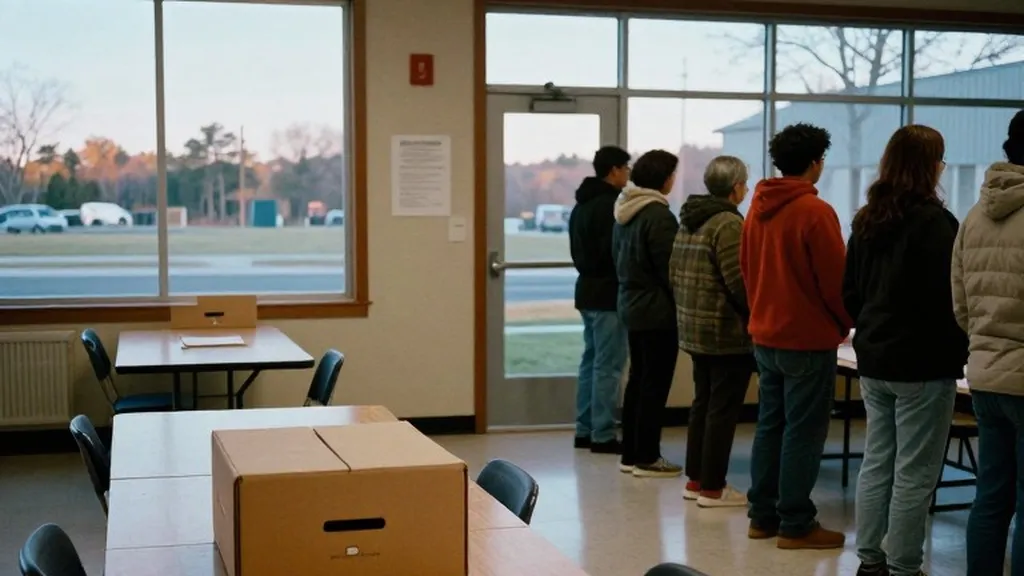
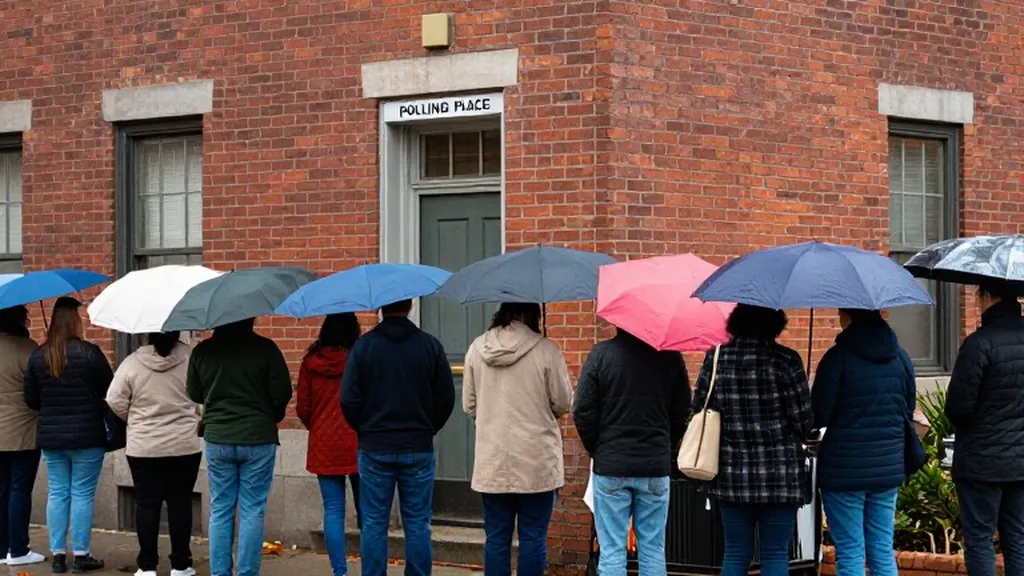
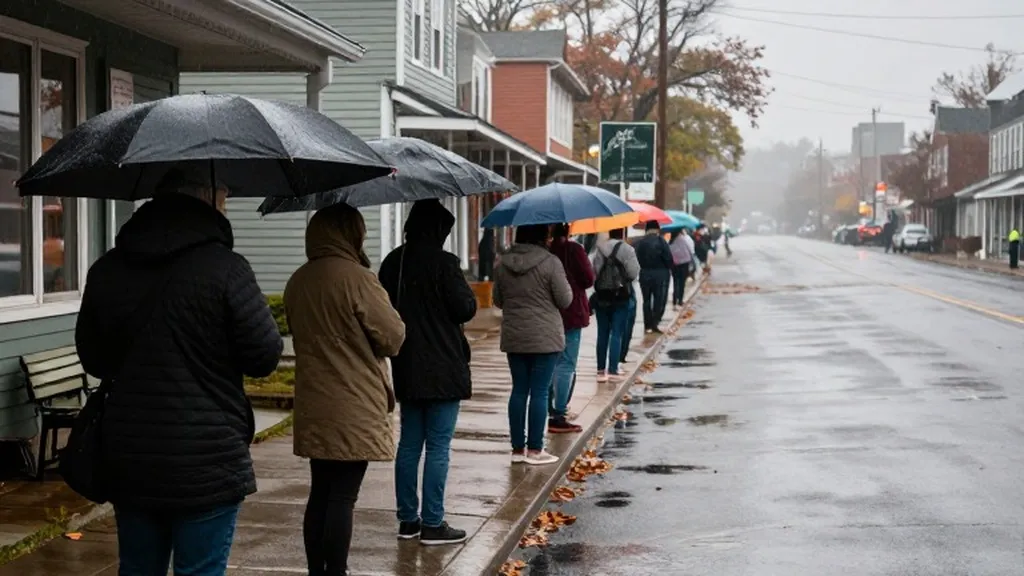
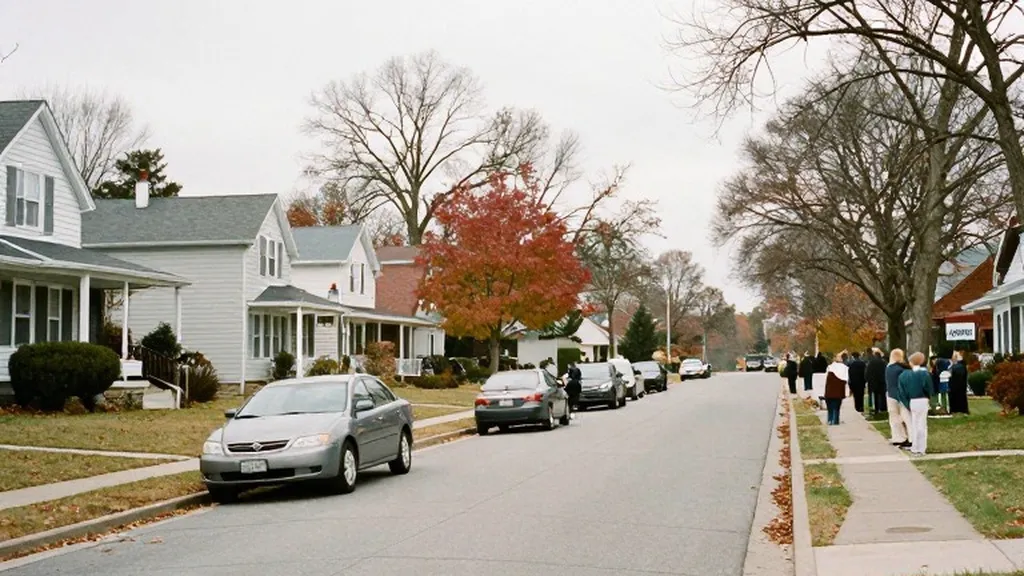
The polls are open across the Mid-Atlantic, with voters in Pennsylvania, Delaware, Maryland and Virginia heading to the polls to decide the composition of the next U.S. House of Representatives. Polling hours vary slightly by state, with Pennsylvania, Delaware, and Maryland open from 7 a.m. To 8 p.m. And Virginia open from 6 a.m. To 7 p.m. These states are critical in a national race where every seat counts.
All 435 seats in the House are up for election, creating a high-stakes environment for both parties. Republicans currently hold 218 seats and Democrats hold 214, with one independent and vacancies remaining. For Democrats to gain control of the chamber, they must achieve a net gain of three districts. Conversely, Republicans can lose no more than two seats to maintain their majority. This narrow margin means that performance in any single district can shift the balance of power in Washington.
The Associated Press describes the election as a referendum on President Donald Trump's second term, with voters struggling with high prices and angry over an unpopular war with Iran. AP-NORC polling indicates that 35% of U.S. Adults approve of Trump's job performance, while only 25% approve of his handling of the economy. About seven in 10 respondents say the country is heading in the wrong direction, and most blame the president for high prices. These economic frustrations are central to the narrative in Mid-Atlantic swing districts.
Ballotpedia counts 46 battleground districts nationwide, with 25 held by Democrats and 21 by Republicans. In these competitive areas, voters are weighing the administration's track record against the potential for oversight and investigations if Democrats take the House. House Democratic Leader Hakeem Jeffries has outlined a 100-day agenda focused on the cost of living and oversight, appealing to voters who feel the current administration is out of touch with economic realities.
Redistricting adds another layer of complexity to the race. Six states, including Florida and North Carolina, are using new congressional maps after mid-decade redistricting. Ohio also uses a new map. These changes have altered the dynamics of certain races, though the AP notes that new districts in Florida and elsewhere may not vote as drawn. For Mid-Atlantic voters, the new maps in neighboring states influence the national tone, even if their own state lines have not changed as drastically.
In the Mid-Atlantic, the ballot measures vary by state. Pennsylvania voters are deciding on the governorship, with incumbent Josh Shapiro seeking re-election. Delaware voters are choosing a U.S. Senate candidate, with incumbent Chris Coons on the ballot. Maryland voters are also deciding on the governorship, with incumbent Wes Moore running. Virginia voters are selecting a U.S. Senate candidate, with incumbent Mark Warner seeking another term. These local and state races occur simultaneously with the federal House contest.
Money is playing a significant role in the outcome. The 2026 elections are likely to be the most expensive in history, with Republican committees outraising and outspending Democratic committees at the committee level. This advantage is driven by Trump-affiliated groups and support from Elon Musk. However, at the candidate level, Democrats have outraised their opponents. AP analysis of AdImpact data shows that 88.1% of Republican general election TV ad spending went to states and districts Trump won in 2024, including more than $850 million in areas where he won by 10 points or more.
Voters in the region are expressing their concerns at the ballot box. In Raleigh, North Carolina, librarian James Moore, 57, stated that he is paying more taxes, more for healthcare, and more for everything. In Palm Beach Gardens, Florida, voter Mark Barker said he has been following Trump and thinks he is doing an awesome job. These differing perspectives highlight the divide in the electorate, with Democrats focused on economic relief and Republicans focused on maintaining the president's agenda.
More than 57 million people had already voted as of Monday, surpassing the early vote of four years ago in many closely watched states. This high turnout suggests that voters are engaged and motivated to influence the outcome. In the Mid-Atlantic, where many districts are competitive, turnout will be a decisive factor in determining which party controls the House.
As polls close, the focus shifts to the counting of votes and the potential for legal challenges. A federal judge temporarily barred the Trump administration from carrying out a plan to prevent noncitizen voting, and another judge ordered the administration to stop demanding that California election officials segregate ballots. These legal moves reflect the ongoing battles over election integrity, which could impact the final results in close races.
The outcome of the House election will have significant implications for the administration's remaining two years. If Democrats win even one chamber, investigations and possible impeachment proceedings become likely. A strong Democratic night would also boost potential 2028 candidates, including Gavin Newsom, JB Pritzker, and Pete Buttigieg. For now, voters in the Mid-Atlantic are making their choices, aware that their votes could determine the direction of the country for the next two years.