Voters in ten key states decide control of governorships
With polls open across the country, attention turns to ten contested races where Democrats aim to reclaim the majority of executive offices lost in 2010.
By Anthony Shevchenko ·
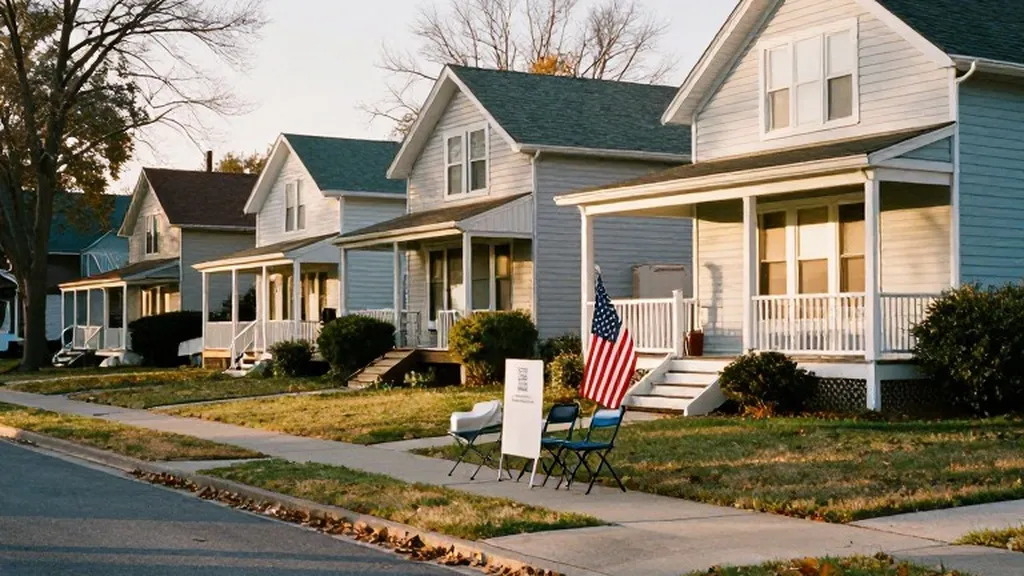
Election Day has arrived for voters across the United States, marking the midpoint of President Donald Trump's second term. The primary objective for Democrats is to seize control of at least one chamber of Congress, a move that would trigger investigations and likely impeachment proceedings. However, the battle for the governor's mansion is equally critical, as it determines which party controls the levers of state government in the final two years of the current administration. Thirty-six governorships are on the ballot this year, a significant portion of the nation's executive power.
Before the votes were cast, Republicans held twenty-six governor's offices while Democrats held twenty-four. In the specific races currently being decided, each party is defending eighteen seats. This parity means that Democrats need a net gain of only two governorships to achieve a nationwide majority, a feat they have not accomplished since 2010. The outcome of these races will shape the balance of power in statehouses for the next four years, influencing budget priorities and administrative oversight.
In Georgia, voters are choosing between Republican health care executive Rick Jackson and Democratic former Atlanta Mayor Keisha Lance Bottoms to succeed Brian Kemp. The state is a pivotal battleground, with the Associated Press noting the high stakes involved in this transition. Meanwhile, in Nevada, Republican Governor Joe Lombardo is facing Democratic Attorney General Aaron Ford. Both states represent critical opportunities for the parties to shift the overall count of executive offices held nationwide.
The Midwest is also a focal point for the governor's race. In Ohio, Republican Vivek Ramaswamy is competing against Democrat Amy Acton. The campaign in Ohio has been marked by intense debate, including backlash against a Ramaswamy ad that featured Acton's estranged mother. In Michigan, the race is part of a broader contest for control of the region's political landscape. These states are among the ten key governor races that define the current electoral map.
Other named matchups include Arizona, where Democrats are defending a seat, and Wisconsin, where the incumbent is not running. In New Hampshire, Republican Kelly Ayotte is defending her position, while in Vermont, Phil Scott is also seeking re-election. These races are significant because they involve states where the 2024 presidential results were close or where the political dynamics have shifted. The Associated Press highlights that these contests are central to the fight for Senate and House control, as well as the executive branch at the state level.
Financial resources have played a major role in shaping the campaign landscape. The 2026 elections are expected to be the most expensive in history. Republican committees have outraised and outspent their Democratic counterparts, aided by Trump-affiliated groups and major donors like Elon Musk. At the candidate level, however, Democrats have managed to outraise their opponents. 88.1 percent of Republican general election TV ad spending went to states and districts that Trump won in 2024, including more than $850 million in areas where he won by ten points or more.
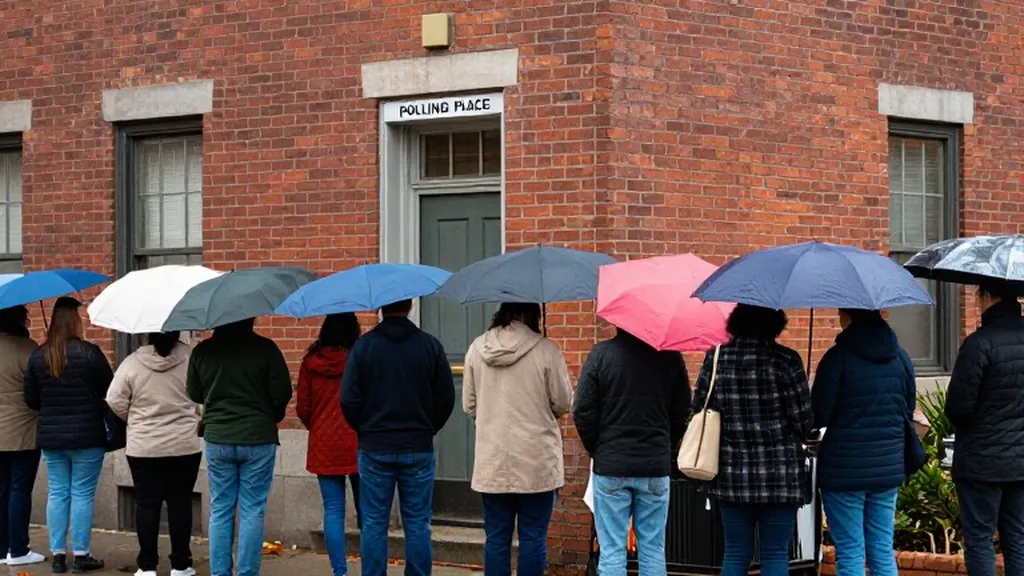
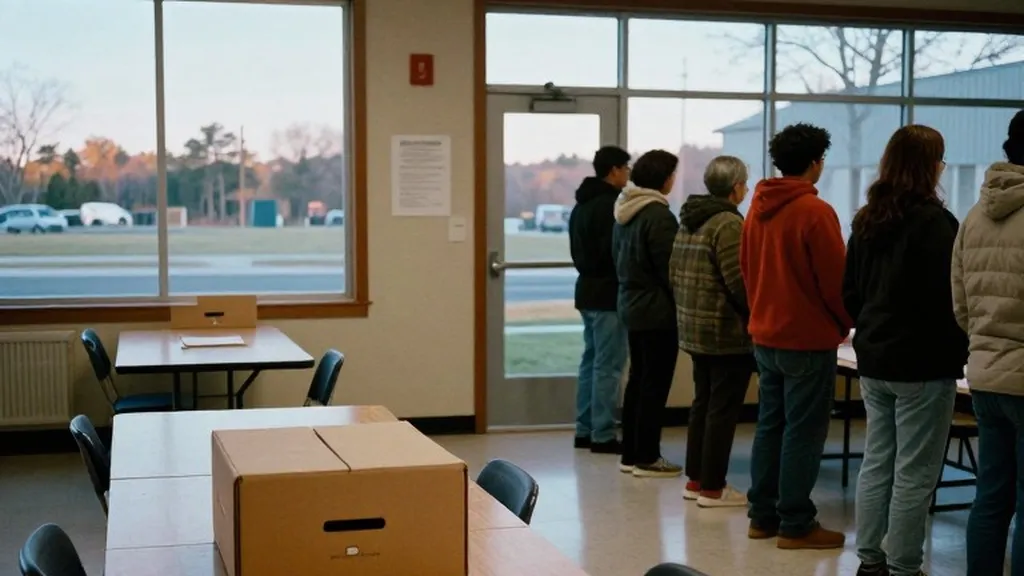
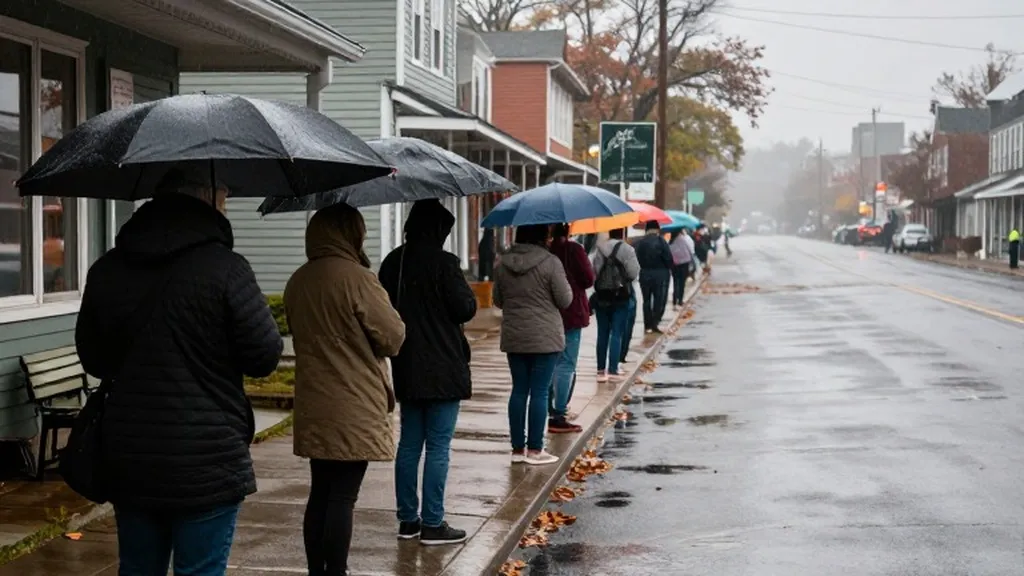
The mood among voters is characterized by a mix of economic anxiety and political frustration. The Associated Press describes the election as a referendum on Trump's second term, with many voters struggling with high prices and expressing anger over an unpopular war with Iran. Polling data and NORC shows that only 35 percent of U.S. Adults approve of Trump's job performance, while about seven in ten say the country is heading in the wrong direction. These sentiments are driving voter turnout, with more than 57 million people having already voted as of Monday, surpassing early vote numbers from four years ago in many closely watched states.
Redistricting has also complicated the electoral picture. Six states, including California, Florida, Missouri, North Carolina, Tennessee, and Texas, are using new congressional maps, and Ohio is also utilizing a new map. These changes could impact the competitive nature of the races. Republicans had hoped to use redistricting to beat the typical midterm pattern where a president's party loses seats, but new districts may not vote as drawn. This adds a layer of uncertainty to the outcomes in key states like Ohio and Pennsylvania, where polls are open from 7 a.m. To 8 p.m.
In Pennsylvania, Governor Josh Shapiro is defending his seat. The state's polls are open from 7 a.m. To 8 p.m., and there is no Senate race, making the governor's race a standalone critical contest. In Kansas, the race is part of a broader fight for Senate control, as the state has become central to the battle. The Associated Press notes that Kansas is a reliably Republican state that has become a key battleground. Voters in Kansas are deciding the next governor as part of a larger national strategy to hold or gain ground in the Midwest.
As polls open across the ten key states, voters are casting their ballots in a race that will determine the balance of power in state governments. The outcome of these governor races will have lasting effects on state policies, including health care and economic regulation. With the Associated Press noting that Democrats are cautiously optimistic, the focus remains on turnout and the ability to convert economic discontent into votes. The final tally of these ten races will be a crucial indicator of the overall direction of American politics for the remainder of Trump's term.
The election administration has faced challenges, including a federal judge temporarily barring the Trump administration from carrying out a plan to prevent noncitizen voting. Critics argue this risks disenfranchising eligible voters, while the administration aims to ensure election integrity. The U.S. Postal Service has added staff and special lines to ensure mail ballots are counted on time. As the day progresses, the focus remains on the ten governor races that will define the new landscape of state executive power.