Energy costs and vetoes shape new Congress agenda
Democrats seek to lower bills through clean energy, but they lack the votes to override Trump's anticipated vetoes without Republican help.
By Isaac Medina ·
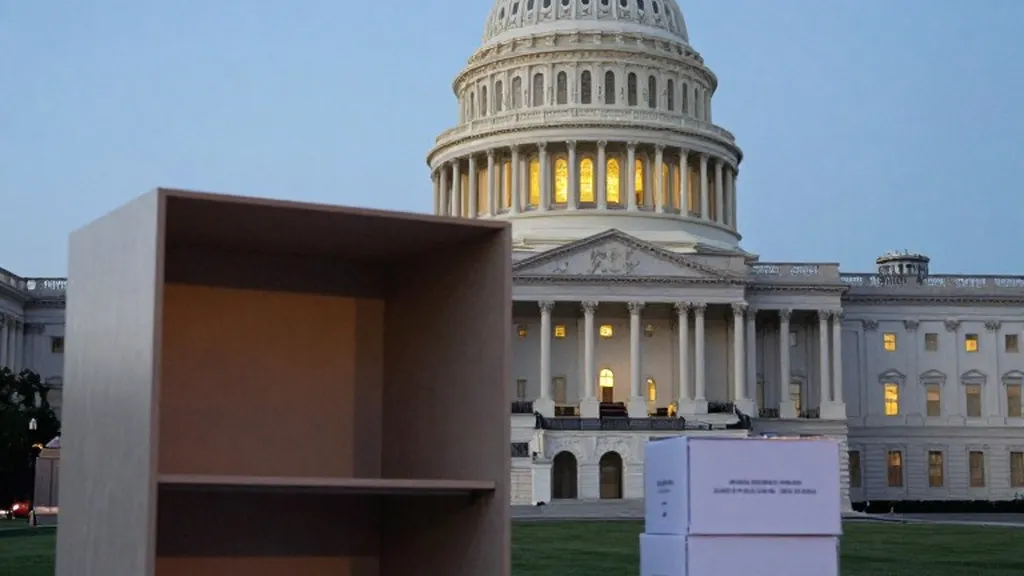
Democrats enter Congress in January with a mandate to lower energy bills, but they face a president who vows to veto most of their proposals. The new legislative session begins with a sharp conflict over how to reduce costs for working families while managing a divided government.
Sen. Sheldon Whitehouse of Rhode Island stated that the administration's focus on fossil fuels drove up prices for taxpayers. He said Democrats will work every angle to lower consumer costs and demand accountability for what he called the massive corruption wrought by Trump’s fossil-fuel donors. The Senate Committee on Environment and Public Works will lead these efforts from the Democratic side.
Legislators plan to launch investigations into recent rollbacks of climate policy and the elimination of green energy grants. These hearings aim to undo specific changes and restore renewable energy incentives. However, enacting major changes requires Republican support because Democrats lack the numbers to override presidential vetoes alone.
President Trump predicted that he and the new Congress will find ways to cooperate after a few months of vetoes. The White House said on Wednesday that Trump remains committed to unleashing reliable and affordable energy sources. He is willing to work with anyone to strengthen the grid and protect national security, though his administration has canceled many clean energy projects and slowed permitting.
Industry leaders see mixed opportunities in the new political balance. Jason Grumet of the American Clean Power Association said builders feel bolstered by the election results. Conversely, Mike Sommers of the American Petroleum Institute noted that the affordability message from voters is unmistakable. He cited a September permitting reform proposal as a starting point for bipartisan cooperation to reduce costs.
Experts suggest that federal action may be limited by the divided government. David Victor of the University of California, San Diego, expects a stalemate at the federal level over the next two years. He noted that many Democratic bills may serve as an agenda for the 2028 election rather than immediate law. Lisa Sachs of Columbia University added that Democrats must clarify which policies deliver affordability and opportunity.
State governments may become the primary drivers of climate policy in the coming year. Democrats won governorships in Texas and Georgia, expanding their control over state energy decisions. Jay Inslee, a former governor of Washington, said this state-level momentum allows the U.S. to join the rest of the world in clean energy leadership even if federal progress stalls. Rep. Frank Pallone, expected to chair the House Energy and Commerce Committee, listed clean energy and environmental protections among his top priorities for the new session.