Midterm Results: GOP Leadership Battles Follow Loss of Senate Majority
Republicans convene to select new House and Senate leaders after losing their congressional majorities in the November 3 elections.
By Isaac Medina ·

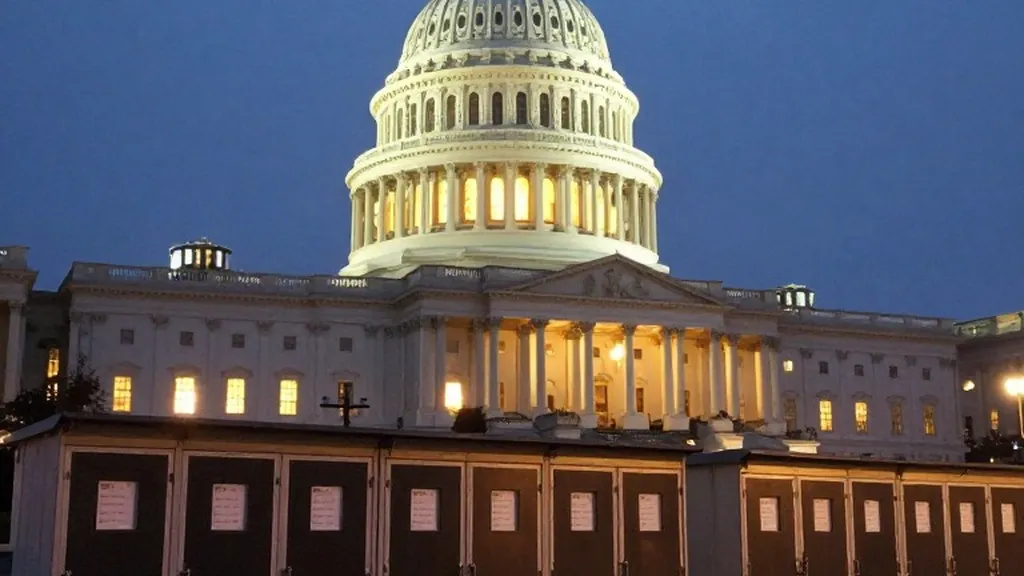
House and Senate Republicans gathered in Washington on Tuesday to address the significant shifts in power following the midterm elections. The party lost its majority in the Senate, a result that prompted immediate internal discussions about future direction. In the House, lawmakers moved to select a new minority leader from among two prominent candidates. The atmosphere in both chambers reflected the urgency of organizing a minority after a decisive electoral setback.
The Senate leadership contest centers on South Dakota Senator John Thune, who is expected to remain as the party leader. Thune faces a largely unopposed path but has acknowledged the need for a robust conversation among his colleagues. Some Republican senators, including Wisconsin Senator Ron Johnson, have circulated letters requesting a delay in the leadership elections. Johnson argued that the party cannot continue with business as usual after such a defeat and called for a period of soul-searching before choosing a new leader.
Despite the calls for delay, the Senate leadership declined to move the elections scheduled for Tuesday. The vote will take place in the Old Senate Chamber, a smaller room located down the hall from the main floor. Thune stated that the conference will have a fulsome conversation about the party's future before reaching a consensus. He emphasized that the final decision rests with the Republican senators, many of whom have returned to Washington for the first time since the election.
In the House, the race for minority leader features a familiar matchup between Louisiana Representative Steve Scalise and Ohio Representative Jim Jordan. Both men previously competed for the position of Speaker following the ousting of Kevin McCarthy, but neither secured the necessary support at that time. Now, the winner will inherit a historically small Republican conference that must strategize on how to rebuild its ranks over the next two years. The vote in the House is expected to occur in the afternoon.
Steve Scalise, 61, has held key leadership positions since 2014, serving as party whip and later as majority leader. He highlighted his fundraising prowess, noting he raised 67.9 million dollars for the midterms, with a third of that going directly to individual House campaigns. Scalise argued that his grassroots operation is the most prolific among House Republicans and that every dollar counts in competitive districts. He emphasized his readiness to lead from day one, citing his role in delivering legislative wins such as the recent tax and spending cut bill.
Jim Jordan, 62, brings a different style to the race as a co-founder of the House Freedom Caucus and chairman of the Judiciary Committee. Jordan warned that the new Democratic majority will focus heavily on oversight of the Trump administration. He stated that his job cannot be merely to spotlight the new party but to engage in offense, noting that offense wins elections. Jordan described himself as battle-tested on the oversight front and familiar with the Democratic playbook for investigations.
Members of the House are weighing their choices with a mix of sentiment and strategy. Maryland Representative Andy Harris said he supports Jordan, believing the party needs to change its team and that Jordan is an excellent communicator. Pennsylvania Representative Mike Kelly, conversely, supports Scalise, preferring candidates who focus on legislation and appropriations over media appearances. Arkansas Representative Steve Womack described the race as very close, noting that some members want a new broom while others believe Scalise can lead them back to power.
The election results have also triggered a broader reckoning for the Republican Party regarding its recent legislative priorities. Missouri Senator Josh Hawley cited the reductions to Medicaid and rural hospital funding in the sweeping tax cuts bill as a focus of the repudiation. He said he has not heard any acknowledgment of these issues from leadership yet, which he found alarming. Hawley emphasized the need for a different direction, including ways to lower costs for Americans, to regain public trust.
President Donald Trump has expressed support for the Senate leadership process, describing Senator Thune as a very fine man. Trump stated that the election is up to the Senate and that the American people are not looking for a specific outcome in the leadership vote. In the House, Trump has not publicly weighed in on the race between Scalise and Jordan, leaving the decision entirely to the conference members. The lack of a direct presidential endorsement has allowed the internal dynamics of the party to drive the debate.
As the new Congress prepares to begin in January, the focus shifts to immediate legislative tasks and the confirmation of presidential nominees. Republicans will aim to confirm as many of Trump's nominees as possible before the new Congress takes over. Democrats, now holding the majority in the Senate, are strategizing on how to maintain their momentum. The leadership elections in both chambers will set the tone for how the minority party approaches its oversight role in the coming two years.
The results of the November 3 elections have fundamentally altered the balance of power in Washington. With Republicans now in the minority in both chambers, the selection of new leaders is a critical step in defining their strategy for the next Congress. The process highlights the internal divisions and the urgent need for a unified message as the party prepares to navigate its final two years of the current administration.