Democrats Take Control of Both Chambers, Setting Stage for Iran War Oversight
Midterm results show Democrats gaining 43 House seats and seven Senate seats, securing the power to investigate the administration's military actions in the Middle East.
By Beatriz Soto ·
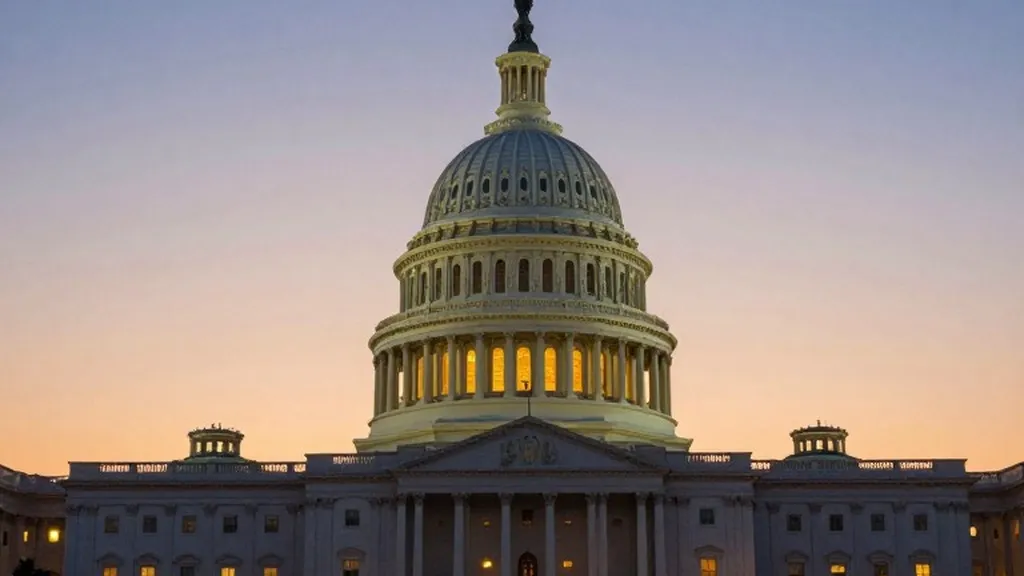
The results of the November 3 midterm election have landed with significant force for Democratic voters across the country. Democrats have secured majorities in both the U.S. House of Representatives and the U.S. Senate, a shift that marks the first time the party has held control of both chambers since before the 2010 elections. This decisive victory provides the Democratic Party with the institutional power to launch immediate oversight of the Trump administration, a priority for voters concerned about the cost of living, health care, and the ongoing conflict with Iran.
According to data compiled by Ballotpedia, Democrats picked up at least 43 seats in the House, taking 42 from Republicans and one from an independent. In the Senate, the party gained seven seats, all of which were previously held by Republicans. As of 4 p.m. EST on November 6, the new balance of power stands at a 250-157 majority in the House and a 54-44 majority in the Senate. This margin is substantial enough to override a presidential veto in the Senate, a tool that will be crucial if the party moves to pass legislation addressing the administration's spending and policy decisions.
For readers in the Mid-Atlantic, the shift in federal power arrives alongside solid results in state races. In Pennsylvania, incumbent Governor Josh Shapiro won re-election, securing a third term for the Democratic administration in a state that has become a bellwether for national politics. In Delaware, incumbent Senator Chris Coons retained his seat, maintaining a Democratic voice in the Senate from a key Mid-Atlantic state. These victories ensure that Democratic leadership will have strong support from the region's most influential political figures as the new Congress convenes.
In Maryland, incumbent Governor Wes Moore also won re-election, further cementing Democratic control in a state that has trended blue in recent cycles. In Virginia, incumbent Senator Mark Warner won his seat, preserving the party's presence in the Senate from the state. These state-level wins are not merely symbolic. They provide a stable political base for the new congressional leadership, allowing them to focus on national priorities without the distraction of defending their own seats in high-stakes state races. The consistency of these results suggests a broad mandate for the Democratic agenda across the region.
The most immediate consequence of this shift is the ability to oversee the administration's military actions, particularly the war in Iran. Rep. Thomas Massie of Kentucky, a Republican, filed a resolution to impeach Defense Secretary Pete Hegseth on Monday, the first day of the new congressional session. While Massie is a Republican, his move highlights the bipartisan frustration with the administration's handling of the conflict. House Democratic Leader Hakeem Jeffries supports the measure, and with Democrats now holding the majority in the House, the path to a vote on impeachment is clear. This oversight is expected to be a central focus for Democratic voters who have expressed concern about the cost and conduct of the war.
Democrats in Congress are also preparing to use their new majorities to challenge the administration's education policies. Rep. Bobby Scott of Virginia, the top Democrat on the House Committee on Education and the Workforce, has pledged to use investigative powers to examine the dismantling of the U.S. Education Department. Sen. Chris Van Hollen of Maryland, a member of the Senate Appropriations Committee, has indicated that Democrats will use the power of the purse to establish guardrails on federal spending. These actions are part of a broader strategy to hold the administration accountable for decisions that have affected schools and universities across the country.
The Republican Party faces a significant challenge as it navigates this new political landscape. The net loss of at least seven Senate seats places this election in the top 20% of election years in terms of seat swings against a president's party. While the House loss of 42 seats is short of the threshold for a wave election, it is a substantial setback for the party in power. Republican leaders, including House Speaker Mike Johnson and Senate Majority Leader John Thune, have expressed frustration at the timing of the impeachment vote and the speed of the Democratic takeover. They are expected to use their remaining weeks in power to advance their own agenda before the new Congress fully takes control.
The election results also reflect a broader trend in state government. Democrats won a plurality of state government trifectas and a majority of governorships for the first time since before the 2010 elections. This means that in many states, Democrats will control the governor's office, the state legislature, and the state's congressional delegation. This alignment of state and federal power could lead to more coordinated efforts to address issues like health care and the cost of living. It also provides a counterweight to the Republican administration in Washington, creating a dynamic where state and federal policies may diverge on key issues.
As the new Congress prepares to convene in January, the focus will shift from campaign promises to legislative action. Democrats will need to move quickly to pass bills that address the priorities of their voters, including health care reform and oversight of the Iran war. The party's new majorities provide a strong foundation for this work, but they also bring the challenge of governing in a divided government. The next few weeks will be critical as the party sets its legislative agenda and begins to implement its plans for the new term.
The results of the November 3 election mark a turning point for the Democratic Party. With control of both chambers of Congress and a majority of governorships, the party has the power to enact change. The coming months will test whether Democrats can translate this political capital into meaningful policy victories. For voters in the Mid-Atlantic and across the country, the election results offer a sense of hope that their concerns will be addressed by a government that is more aligned with their values.