Oleshky Evacuation: Final Phase Begins
Demining is complete and a convoy is ready, but fewer than 2,000 residents remain in the land mine ringed city.
By Isaac Medina ·
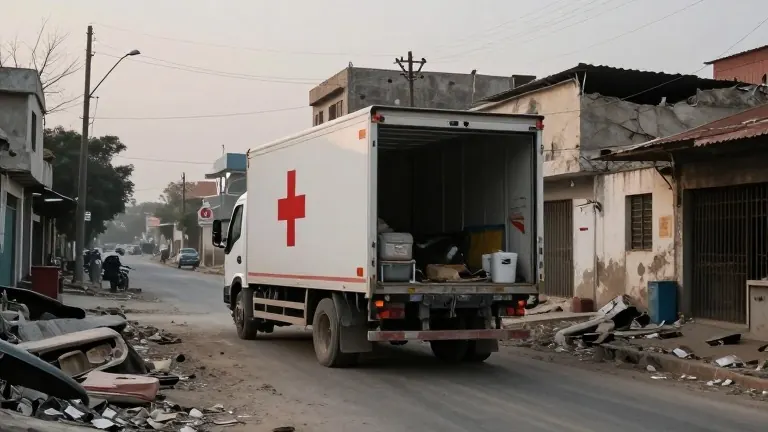
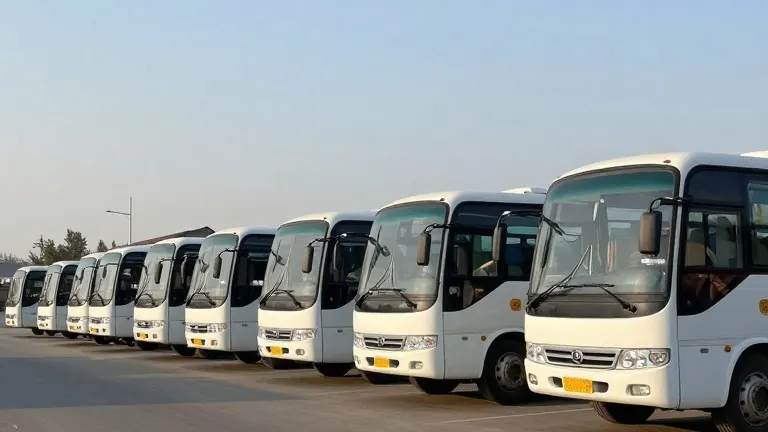
Humanitarian aid will enter the Russian occupied city of Oleshky and residents will begin leaving as the US brokered mission enters its final phase. Ukraine’s human rights ombudsman Dmytro Lubinets confirmed that evacuation routes are clear and the aid convoy is prepared to depart.
The process stems from a localized cease fire that started on October 27. For three consecutive days, no violations were reported in the area. US First Lady Melania Trump announced this agreement one week prior to the start of the truce. She stated that civilians from both Ukraine and Russia would visit residents in their homes to assess their specific needs.
Trump noted that those wishing to leave would receive coordinated assistance and transportation to their preferred destinations. She said she anticipated some residents would choose to go to Russia while others would head to Ukraine. The evacuation window for residents closes at 2 p.m. local time on October 30.
Russian Human Rights Commissioner Yana Lantratova confirmed that demining operations in the city are finished. She stated that tens of tons of humanitarian aid are being sent to the location. Lubinets wrote on Telegram late on October 29 that delegations from Ukraine, Russia, and the United States are gathered to coordinate the next steps. Journalists from all three nations are also present.
Oleshky has been under Russian control since the full scale invasion began in 2022. It became a frontline city later that year after Ukraine retook the regional capital of Kherson. Kherson sits less than 10 kilometers away across the Dnieper River. The population of Oleshky, once around 24,000, has dropped sharply due to displacement and death.
The destruction of the Kakhovka Dam in June 2023 flooded an estimated 90 percent of the city’s territory. By the fall, fewer than 2,000 people remained, including approximately 50 children. Most of the remaining population are elderly residents who have been unable or unwilling to leave. They have lived for months with little food, water, medicine, or electricity.
Ukrainian journalist Maria Semenchenko, who grew up in the city, reported that some residents fear the evacuation process. She said they are concerned about filtration while traveling through Russian territory. This involves coercive screenings and interrogations used to identify people deemed disloyal. Semenchenko said some have experienced torture in the past and that at least one person does not want to leave for this reason.