US Strikes Iranian Targets in Strait of Hormuz Amid Diplomatic Standoff
Washington launched attacks on select Iranian objectives while Tehran prepared a proposal to reopen the waterway within two days of lifting the naval blockade.
By Anthony Shevchenko ·
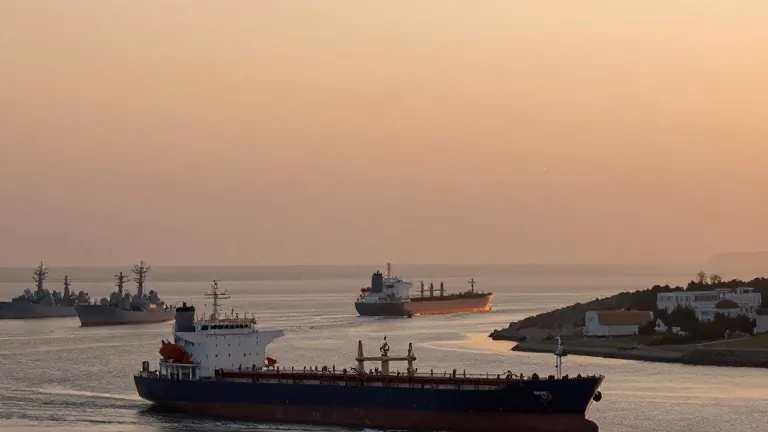
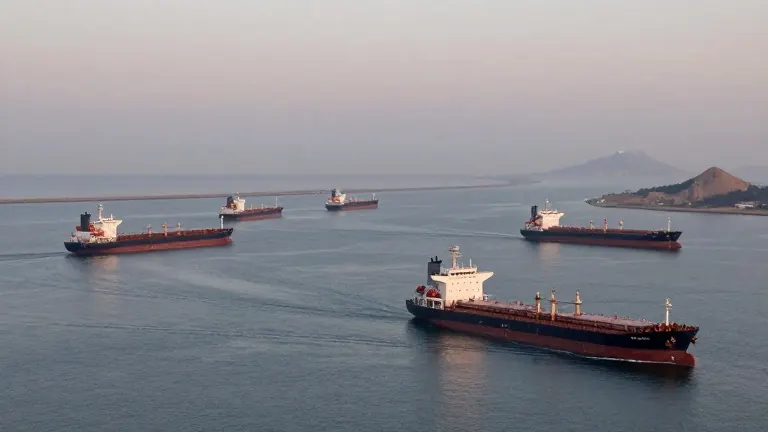
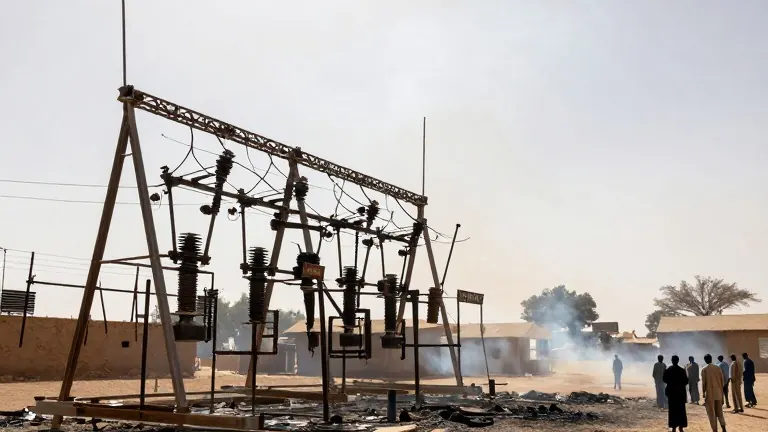
United States forces struck several Iranian targets in the Strait of Hormuz, according to US officials speaking on November 2.
The military action occurred as a delegación iraní departed Qatar on November 1 after negotiations aimed at ending the conflict. A regional official familiar with the talks confirmed that a draft proposal has been distributed for review and that a follow-up meeting is under discussion.
The latest public proposal from Tehran would open the strait fully to maritime transport within two days if Washington meets specific conditions, including lifting the blockade of Iranian ports. Iran stated it is awaiting the most recent response from the United States while maintaining that it is ready for both diplomacy and combat.
President Donald Trump described a Saturday phone call with Israeli Prime Minister Benjamin Netanyahu as very good. The two leaders discussed Iran, though Trump provided no specific details on November 1. Netanyahu’s office has remained silent regarding the call since he lost his parliamentary majority in the general elections on October 28.
Ayatollah Mojtaba Khamenei, Iran’s new supreme leader, met with military chiefs to instruct that any threat from the US or Israel requires an immediate response without geographic limits. He urged the expansion of the list of potential targets. Mohsen Rezaei, Iran’s chief of security, warned that any attack would result in devastating blows using new weapons.
Rezaei told state television that the tone from the United States has changed completely, which he described as a very good signal. He confirmed that Iran has not decided to change its nuclear doctrine, though some officials questioned whether the policy should shift if the country is attacked again. Teheran continues to insist its nuclear program is peaceful, while Washington seeks to prevent a nuclear weapon and wants to address the issue in new talks.
Abbas Araghchi, the Iranian foreign minister, said on November 2 that the final outcome depends on US answers to Iranian questions. He made these remarks during a one-day visit to Turkmenistan. The region remains tense as commercial ship attacks in the Strait of Hormuz increased in October, marking the highest number of incidents since the war began in March.
At the Manama Dialogue in Bahrain, UAE presidential advisor Anwar Gargash noted that the positions of the US and Iran are far apart. Egyptian Foreign Minister Badr Abdelatty warned that the next escalation would be more dangerous and destructive. China announced on November 2 that it will send a special envoy to Iran, Oman, and Saudi Arabia in early to mid-November, while President Xi Jinping called for a return to dialogue during a meeting with the Sultan of Oman.