Israelis vote for new government after 1,200 deaths in 2023
Polls point to a tight race between Benjamin Netanyahu and Gadi Eisenkot, with the Oct. 7 attacks shaping voter priorities.
By Isaac Medina ·
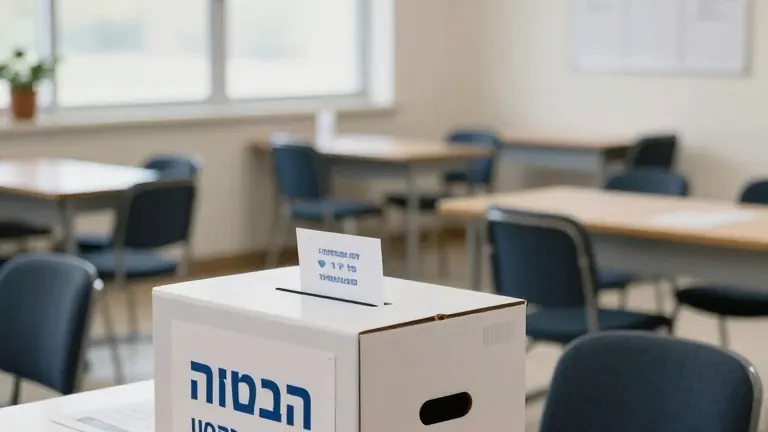
Israelis cast ballots on Tuesday to select the parties that will form the next government. The vote follows the Oct. 7, 2023 attack by Hamas militants that killed 1,200 people and abducted 251 others. Polls indicate a close contest between Prime Minister Benjamin Netanyahu and his chief rival, Gadi Eisenkot. Voters choose parties rather than individuals, meaning the winner must build a coalition to command a majority in the Knesset.
The security failures surrounding the 2023 attacks dominated the campaign. According to the Israel Democracy Institute, a Jerusalem think tank, 68% of Jewish Israelis said their views on Oct. 7 were a central factor in their voting decision. Netanyahu, 77, leads the Likud party and has resisted calls for a formal commission of inquiry into the events. He has maintained a hawkish stance on the war in Gaza and relations with Iran.
Eisenkot, 66, leads the centrist Yashar party. He spent four decades in the Israeli military before entering politics in 2022. His campaign focuses on the security breakdown on Oct. 7 and the issue of military service. Eisenkot lost his son and two nephews in combat in Gaza. He has vowed to end de facto exemptions for ultra-Orthodox men who study religion instead of serving in the army.
About 25% of Jewish voters ranked mandatory military service as a key factor in their choice, according to the Israel Democracy Institute. Netanyahu's coalitions have traditionally relied on ultra-Orthodox parties that demand these conscription exemptions. The issue has angered the public during the prolonged wars. Roughly one dozen of the more than 30 parties competing are expected to win enough seats to enter parliament.
Other major candidates include Naftali Bennett, 54, a former prime minister who runs on a joint ticket with Yair Lapid. Itamar Ben-Gvir, 50, leads a far-right ultranationalist party in the current coalition. Yair Golan, 64, leads the Democrats, a center-left party that supports establishing a Palestinian state. Most Jewish Israelis oppose a Palestinian state, and no major candidate has called for a return to the peace process.
Mansour Abbas, leader of Ra'am, the first Arab-led party in a governing coalition, focused his campaign on crime in Arab communities. He named a mainstream Jewish politician as his deputy to position himself as a coalition partner. The election occurs against the backdrop of an ongoing war with Iran, which the U.S. and Israel launched together on Feb. 28. Regional talks continue as Iran worries about a return to full-scale conflict.
President Donald Trump endorsed Netanyahu last week. The U.S. midterm election takes place next week, and the war in Gaza features prominently in American political campaigns. Israel's international standing has declined due to the war, and an international arrest warrant exists against Netanyahu. Rights groups and United Nations officials have accused Israel of committing genocide, a charge the country denies. The next government will work to repair these relationships.