Israel Vote: 7.3 million cast ballots in Knesset election
Polls closed at 10 p.m. Tuesday, with final results expected by Friday and official publication on Nov. 4.
By Beatriz Soto ·
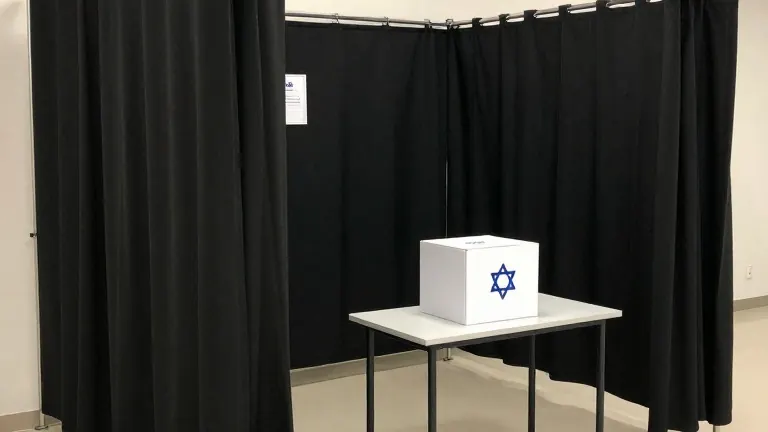
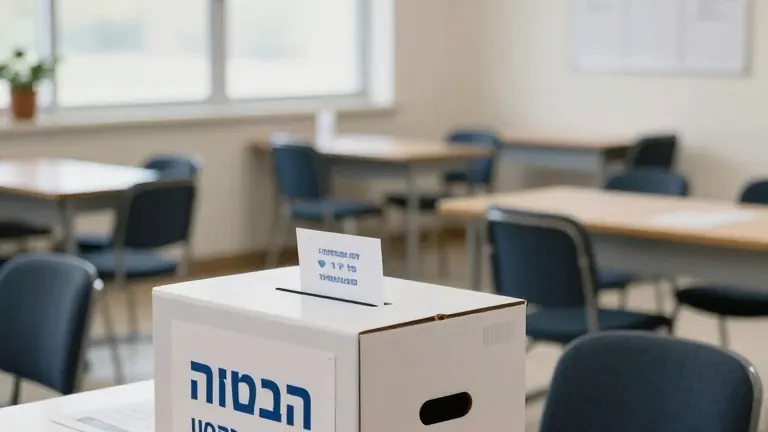
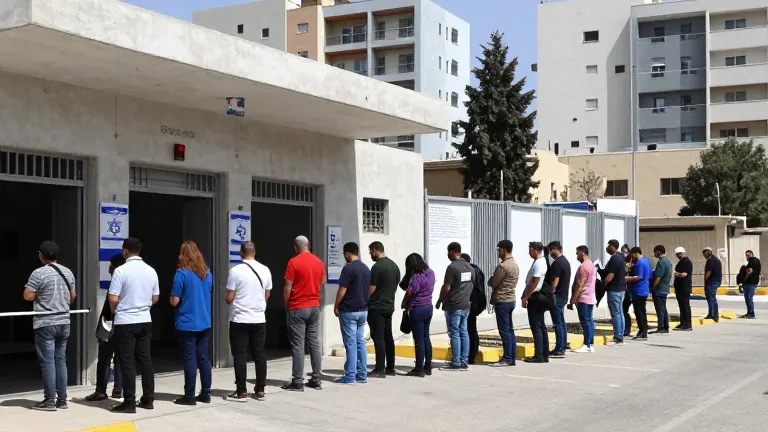
Polls in Israel closed at 10 p.m. Tuesday, ending a day of voting in the country's first general election since the Hamas attack on Oct. 7, 2023. Approximately 7.3 million citizens were eligible to cast ballots. This group includes 1.2 million Palestinian citizens of Israel. Israelis living abroad were not able to vote because the country does not have a general absentee ballot.
The election determines the makeup of the 120-seat Knesset. A party or coalition needs 61 seats to hold a majority. Final polls published Friday suggested a tight race. Haaretz reported that an average of polls from Channels 11, 12, and 13 predicted the opposition bloc led by Gadi Eisenkot would win 54 seats. The coalition of Prime Minister Benjamin Netanyahu was expected to win 50 seats. Neither figure reaches the 61-seat threshold required for a majority.
News channels will broadcast exit poll results shortly after polls closed. The first indications of the outcome are likely to appear within a few hours. However, a clear picture of the final seat allocation may take days or even weeks. The final vote tally is expected by Friday. Official election results will be formally published one week after the election on Nov. 4.
Israel uses a proportional representation system. Voters select a single party rather than individual candidates. A party must secure at least 3.25 percent of the national vote to enter the Knesset. About a dozen parties are widely thought to have a chance of crossing that threshold. This means the final seat allocation will require time to calculate.
Once the final count is in, President Isaac Herzog will speak with party leaders. He will nominate the candidate he believes has the best chance of forming a government. That person will then have up to 42 days to form a cabinet. No single party in Israel has ever won an outright majority. Governments are formed by coalitions, and negotiations often take weeks.
If no government emerges within the 42-day window, the current cabinet will remain as a caretaker government. Leaders who gain the most votes have options to assemble support from smaller parties. These options include forming a minority government or working with another political leader for a power-sharing arrangement. If all negotiations fail, new elections will have to be called.