Bristolers fund historic mansion restoration
A community share offer has raised £100,000 in days to launch the restoration of Ashton Court Mansion.
By Beatriz Soto ·
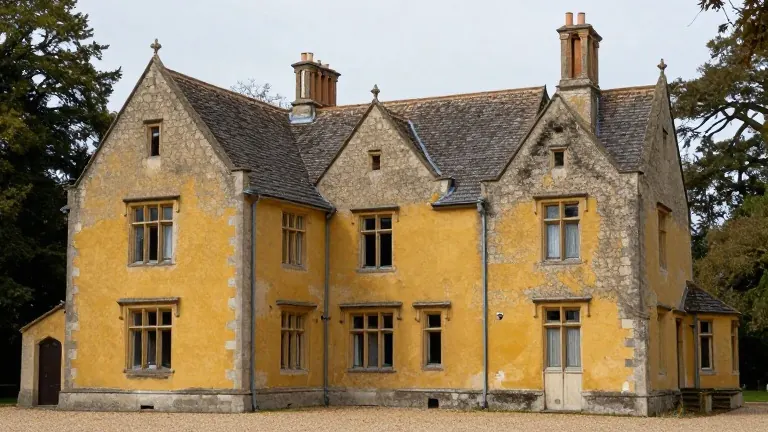
Residents of Bristol have contributed more than £100,000 to a new community fund in less than a week. The money will start the restoration of Ashton Court Mansion, the largest house in the city. The group aims to raise a total of £500,000 to begin repairs and secure a long-term lease from the local council.
The building has suffered from decades of neglect. In June, reports revealed that the interior, which is currently closed to the public, had fallen into disrepair. Volunteers from the Bristol Historic Buildings Trust formed the Ashton Court Mansion Trust to take over the council-owned property. They plan to refurbish the interior in stages and use the building to generate revenue for future work.
The new Trust is a charitable Community Benefit Society. It invites people to invest as little as £100 to become members. Each member gets one vote in democratic decisions. The initial £500,000 target will provide start-up capital to begin restoration, plan future phases, and apply for additional grants.
Oliver Mochizuki, the head of Fundsurfer, called the rapid fundraising an impressive achievement. He said the money provides the working capital needed to build a sustainable organization. The funds will also help expand public access and grow commercial income. This financial base is necessary to pursue major heritage funding.
Mochizuki noted that the fundraising is a key step toward a proposed 125-year lease from Bristol City Council. The council is expected to make a decision in November. Both council approval and a successful fundraise are required before the lease can proceed. The council will retain the freehold of the mansion and the wider Ashton Court Estate.
Simon Cook, the first chair of the Ashton Court Mansion Trust, described the building as a complex puzzle. He said the house has been altered over centuries by the Smyth family, who added wings and demolished other parts. The last family member died shortly after World War II, leaving the home empty. The council bought the property in the 1950s primarily to secure the large estate.
Cook explained that the house was patched up and modified for office use over the years. Whole wings were left alone, leading to a slow decline. He compared the structure to a huge 3D jigsaw puzzle where the final form is unclear without very old photographs. He said this share offer gives people a tangible way to care for the mansion and bring it back into city life.