Energy Markets: Southwest Floods Refill Depleted Reservoirs
Storms in late October and early November sent water into dry creeks, lifting Lake Powell levels by 20 feet and providing relief to underground aquifers.
By Anthony Shevchenko ·
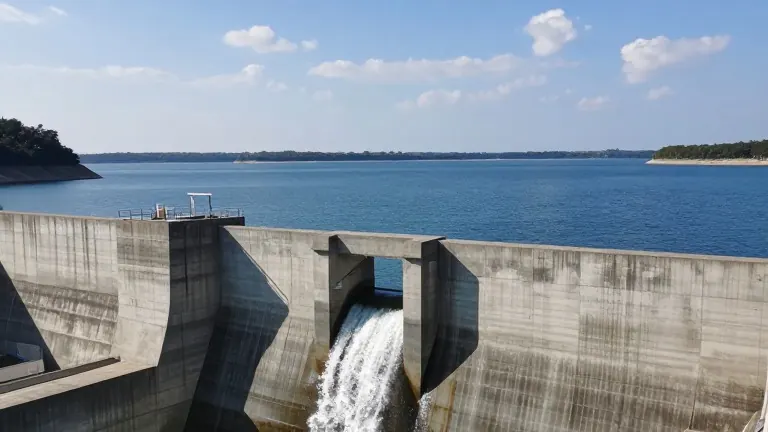
Water levels in major Southwest reservoirs have risen after storms in late October and early November pushed heavy rainfall into the region. The flooding provides a financial and logistical reprieve for communities and agricultural operations that have relied on stored water during a prolonged drought. The influx of water also affects the pricing and availability of water rights in local markets.
Recent storms caused normally small or dry creeks to overflow their banks. The water moved through local communities and forced the evacuation of hundreds of people. Access to some areas was cut off during the peak of the flooding. These immediate disruptions are now transitioning into long-term storage gains for the region.
Martin Hoerling, a climate scientist and hydrologist at the University of Colorado, Boulder, stated that most of the floodwater will feed depleted lakes and underground aquifers. He described the event as an unexpected boost from nature. The water is now settling into the region's primary infrastructure for storage.
Lake Powell, a key reservoir on the Colorado River, has risen by 20 feet. This increase follows a period where the water level had fallen to record lows. The reservoir plays a central role in power generation and water allocation for seven states. The rise in water level improves the efficiency of hydroelectric plants located at the dam.
The region has experienced a yearslong megadrought that strained water supplies. Record low levels in reservoirs created economic pressure on farmers, utilities, and municipal water providers. The recent precipitation cycle interrupted that downward trend. The water that previously evaporated or ran off is now captured in the system.
Authorities reported that hundreds of people were ordered to evacuate their homes and businesses. The flooding cut off access roads in several communities. Local governments coordinated the response to manage the immediate risks. The economic cost of the evacuations and temporary closures is now being assessed by local officials.
The water that entered the system will remain in storage for the coming months. This stored water serves as a buffer against future dry spells. It supports the operational needs of the region's population and economic sectors. The reservoirs are now holding more volume than at any point in recent years.
More Business · Bad Business · Report a business · Got a Story?