Senate stalls permanent daylight saving time bill as clocks fall back Sunday
The Sunshine Protection Act passed the House in July, but the Senate has not scheduled a vote, leaving the twice-yearly clock change in place for another year.
By Anthony Shevchenko ·
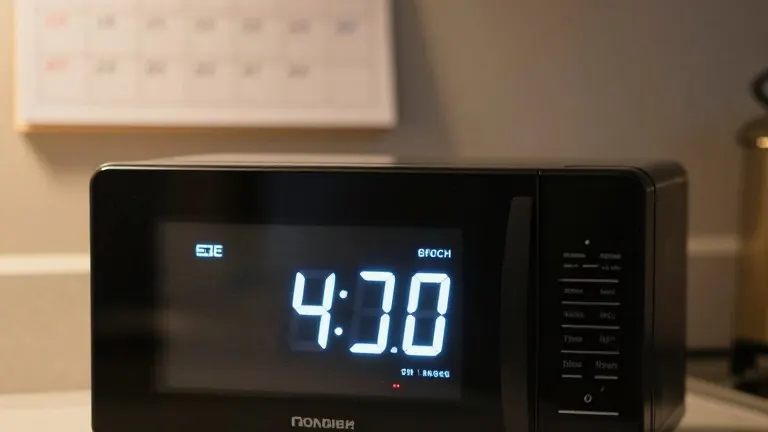
Americans will set their clocks back one hour at 2 a.m. on Sunday, Nov. 1, ending daylight saving time for 2026. At that moment, the time will become 1 a.m., reducing evening daylight as winter approaches. Most smartphones and electronic devices will update automatically, but appliances such as ovens and microwaves require manual adjustment.
The shift occurs because federal law mandates daylight saving time to begin on the second Sunday in March and end on the first Sunday in November. During this period, clocks in most of the country are set one hour ahead of standard time. The practice was first introduced in the United States in 1918 during World War I to conserve fuel. Lawmakers believed moving the clock forward would allow coal-fired electricity to be diverted to the military. The measure was reenacted during World War II but repealed after the war ended.
Following the repeal, a patchwork system emerged. Some states and cities continued observing daylight saving time, while others kept standard time year-round. This inconsistency created confusion for travelers and businesses, as driving short distances could result in a time change. In response to these logistical issues, Congress passed the Uniform Time Act in 1966. The law standardized the practice, though it has been modified periodically since.
Daylight saving time is currently observed in 48 states. Hawaii and Arizona do not observe the time change, but the Navajo Nation in northeastern Arizona does. Several U.S. territories, including American Samoa, Guam, the Northern Mariana Islands, Puerto Rico, and the Virgin Islands, also do not observe daylight saving time.
Legislative efforts to eliminate the twice-yearly change have stalled. The Sunshine Protection Act, which would make daylight saving time permanent, passed the U.S. House of Representatives in July with a 308-118 vote. However, the Senate declined to take up the issue before the midterm elections. President Donald Trump lobbied for the measure, but it remains unclear whether the bill will be considered when lawmakers return after the elections.
Sen. Rick Scott of Florida, a key sponsor of the bill, told Reuters he remains confident the legislation could pass. In contrast, Sen. John Kennedy of Louisiana, a Republican, described the measure as "dead as disco." He stated his sense is that the bill would have trouble passing in the Senate.
Proponents of permanent daylight saving time, including President Trump, argue the change would provide more daylight during hours when Americans are most active. They also suggest increased evening sunlight could boost tourism during winter months. Opponents counter that permanent daylight saving time would result in darker winter mornings. Critics note this could make it more hazardous for children waiting on school buses and for parents driving to work in low-light conditions.
The next scheduled change to the national clock will occur on the second Sunday in March 2027. Until then, residents in the 48 observing states will remain on standard time. No new federal legislation has been enacted to alter this timeline.