Tesla FSD: Q2 2027 Release Limited to Robotaxi Zones
Tesla's upcoming driverless technology will only operate within specific geographic areas.
By Beatriz Soto ·
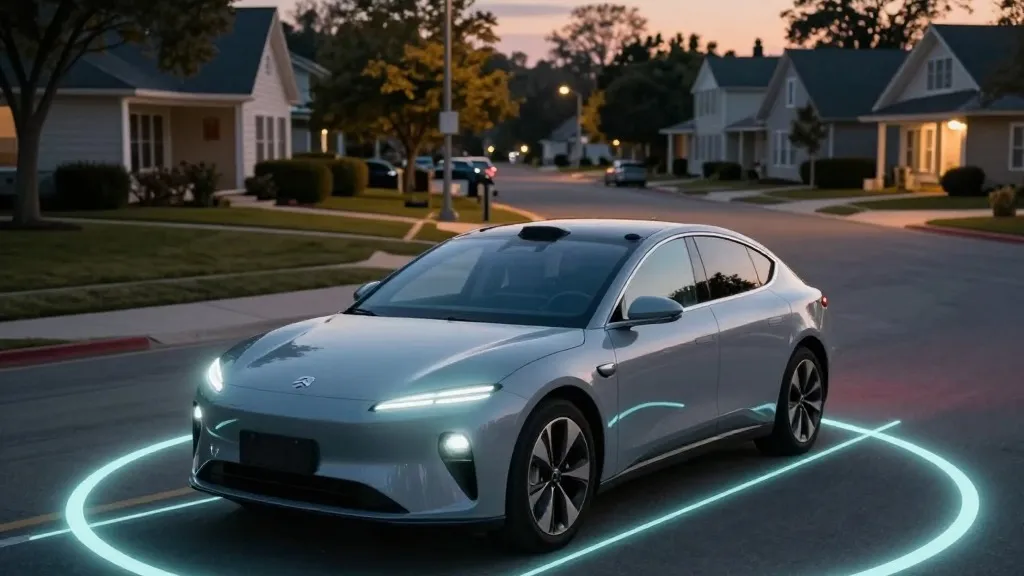
Tesla has scheduled the release of unsupervised Full Self-Driving for customer-owned vehicles in the second quarter of 2027. This announcement was made by AI chief Ashok Elluswamy during the company's Q3 2026 earnings call. The timeline represents the latest iteration of a promise CEO Elon Musk has made to FSD purchasers for roughly a decade.
A retail shareholder query, backed by approximately 1.1 million shares, asked when unsupervised FSD would be available for customer cars. Elluswamy responded with the Q2 2027 date. However, he specified that this release will not allow a vehicle to drive to any desired destination. Instead, the feature will permit owners to add their vehicles to Tesla's managed Robotaxi fleet.
Consequently, a car would only operate without a driver inside areas where Tesla's Robotaxi service is already active. Tesla currently runs this service in six U.S. metropolitan areas. The service areas in cities like Miami, Orlando, and Tampa are small, covering only specific sections of those cities. These zones are restricted to low-speed routes, generally avoid highways, and exclude certain areas.
Furthermore, in the Bay Area, the service does not operate without a driver. California regulations require a safety driver in every vehicle because Tesla does not release data to the California DMV. Such data is required for systems that operate beyond level 2 autonomy.
This proposal is distinct from what Tesla has previously marketed. For years, the company has described FSD as a technology that would eventually enable a car to drive itself to any location following a software update. Musk told investors in July 2025 that unsupervised FSD would be available "for unsupervised personal use by the end of this year in certain geographies." A year prior, he stated he would be "surprised" if Tesla did not have unsupervised self-driving the following year. Additionally, owners of vehicles with HW3 computers have been informed that their hardware cannot support unsupervised FSD, and no upgrade plan has been provided.
The fleet size also remains limited. Tesla reports that Robotaxi has accumulated nearly 2 million cumulative unsupervised miles as of the end of Q3. However, third-party tracking data from this spring indicated the number of fully driverless Teslas operating on public roads was in the dozens. In contrast, Waymo, which was already operating in Orlando and Tampa before Tesla, has recorded over 3 million miles.
Elluswamy reiterated that safety is the limiting factor for the technology, which is why Tesla restricts its use to low-speed roads and specific environments. He estimates that these safety concerns will be addressed by next year but did not provide a firm confirmation.