Israel's Knesset Vote: No Majority in Sight
Polls indicate a stalemate between Netanyahu's right-wing bloc and the opposition, with turnout and new ultra-Orthodox parties likely to decide the final coalition.
By Beatriz Soto ·
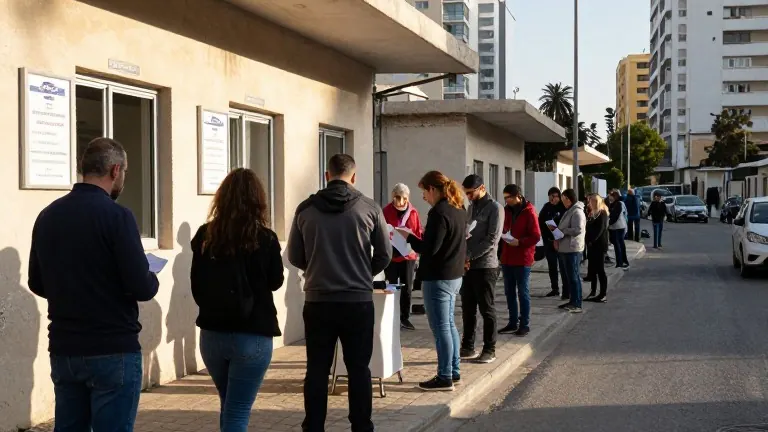
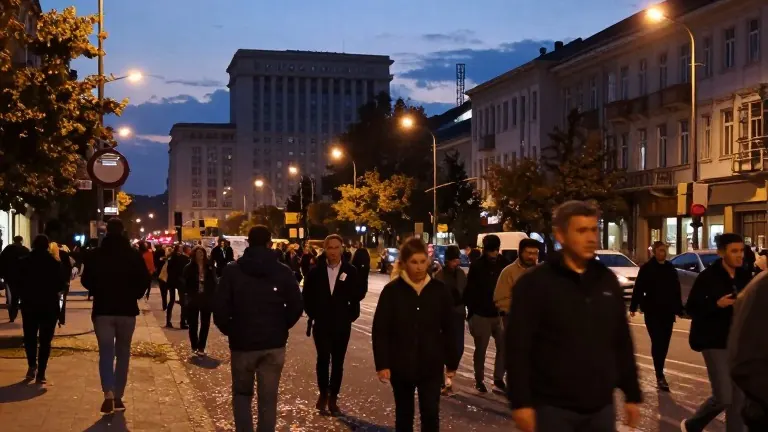
Voters in Israel are casting ballots for all 120 seats in the Knesset on Tuesday.
Polls from both sides of the political spectrum agree on one point: neither bloc is projected to secure the 61 seats needed to form a majority government. Right-leaning firms favor the coalition led by Prime Minister Benjamin Netanyahu, while left-leaning firms favor the opposition group known as the change bloc. Yohanan Plesner, president of the Israel Democracy Institute, stated that an indecisive outcome is the most likely result. This marks the first national vote since the October 7, 2023, attacks by Hamas, which authorities described as the deadliest since the country’s founding in 1948.
Netanyahu, the longest-serving prime minister in Israeli history, is running on a platform of security and stability. He argues that only he can build a government without relying on Arab parties, which he views as a risk during the ongoing multi-front wars in Gaza, Lebanon, and Syria. President Donald Trump endorsed the incumbent last week, warning that the United States might have to conduct its own military operations against Iran if Netanyahu loses power. The Likud leader’s campaign slogan rhymes in Hebrew and contrasts the right wing against the prospect of a Palestinian state or an Iranian nuclear bomb. He recently shared an AI-generated image of a nuclear mushroom cloud over Tel Aviv to reinforce the existential threat narrative.
The change bloc is a diverse coalition of center, left, and Arab parties united by the goal of replacing the incumbent. Gadi Eisenkot, the former military chief of staff, leads the centrist Yashar party and is the front-runner to head a new government if the bloc wins a plurality. Eisenkot lost his son and two nephews in the Gaza war and served in the war cabinet alongside Netanyahu for much of its first year. He accuses the prime minister of using fear and lies to maintain power. His campaign promises include a state inquiry into the intelligence failures that preceded the October 7 attacks, an investigation that Netanyahu has previously blocked. About half of the Yashar party’s candidates are women, a demographic shift distinct from the male-dominated Likud coalition.
Two variables could tip the balance in an already tight race. First is voter turnout, which is hardest to predict for Likud supporters and Arab-Israeli citizens. Arab Israelis make up roughly 20% of the population. Plesner noted that higher turnout among this group reduces the likelihood that Netanyahu can form a government with his current far-right allies. Jehad Abomoch, a cafe owner in Baqa al Gharbiya, said that the past four years have been a social catastrophe for his community, driving more people to vote. Second are two new parties challenging the status quo on military service. Both parties are demanding that ultra-Orthodox Jews be subject to mandatory conscription. Polls show these parties hovering around the 3.25% threshold required to enter the Knesset. If either party crosses that line, it could force a realignment of the coalition math.
If the vote results in a stalemate, the path to government is uncertain. Israeli politics has precedent for parties switching sides during negotiations, which can take weeks. Alternatively, the change bloc could attempt to form a minority government by securing more seats than the opposition, even if it falls short of a majority. Arab parties could support this by abstaining rather than voting against such a government. If no coalition emerges, the country will hold another election. Israel held five elections between 2019 and 2022 due to similar deadlocks. Plesner said that if politicians stick strictly to their campaign promises, a repeat vote is likely, though he believes most candidates prefer to form a government now.
The outcome will be determined by how these factors interact in the final tally. Netanyahu’s camp relies on the incumbent advantage and the endorsement of the U.S. president. The opposition relies on the dissatisfaction with the war and the potential of the new conscription parties. The Knesset will have 120 members, and the arithmetic will decide who gets the mandate to negotiate. The process of forming a government often involves complex back-channel negotiations that are not public. Voters in Tel Aviv and other cities are making their choices in a context where the war continues on multiple fronts. The final seat counts will dictate whether Israel gets a new leadership or returns to the polls.