Netanyahu: 36 mentions of Palestinians in Knesset address
The Israeli Prime Minister's speech at the swearing-in of the new parliament triggered immediate backlash and the cancellation of coalition talks with his main rival.
By Anthony Shevchenko ·
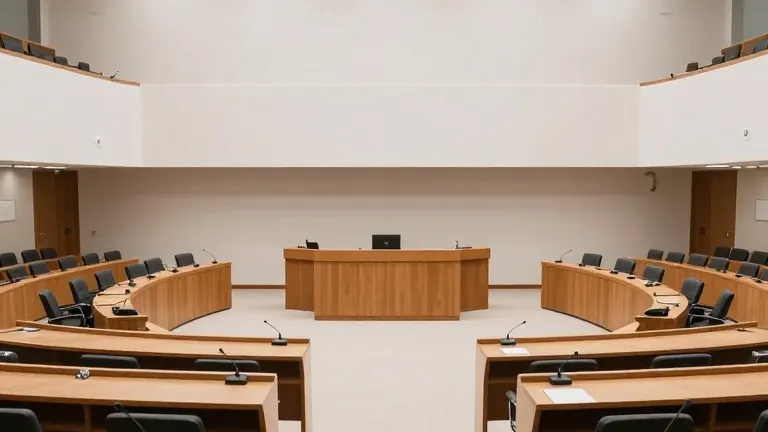
Netanyahu said the word "Jewish" 20 times during his address to the newly sworn-in Knesset on Tuesday. He used terms related to Palestinians, Arabs, terrorism, and the Caliphate 36 times.
The speech came two weeks after the elections, which saw a historic turnout from Palestinian citizens of Israel. The new parliament includes 19 members from the Palestinian-led Joint List alliance and Ra'am party.
Netanyahu framed the session around security threats, specifically citing Iran's nuclear program. He stated that toppling the regime of the ayatollahs is the only way to permanently remove this existential threat. He then shifted focus to the newly elected opposition parties.
The Prime Minister urged the Knesset to form a national unity government with Gadi Eisenkot. He argued that only such a coalition could meet the current challenges. He accused Eisenkot's bloc of wanting to include "terror supporters" and "haters of Israel" in the cabinet.
"Are you prepared to be dependent on those whose purpose is the destruction of the Jewish state?" Netanyahu asked the chamber. He clarified he was not referring to all Palestinian citizens, noting that some voted for his Likud party. He specifically targeted Ra'am and the Joint List, claiming they agree the Jewish state must be destroyed.
The Palestinian-led parties have previously called for a two-state solution with an independent Israel alongside Palestine. Netanyahu cited past comments by their MPs to argue against forming a government that depends on them.
Reactions from the opposition were sharp. Former Prime Minister Naftali Bennett interrupted Netanyahu during the speech. He questioned why Qatar was not declared an enemy state and asked about Qatari advisers. Yair Golan, leader of the centre-left Democrats, left the chamber mid-speech.
Eisenkot, who was tasked with forming a governing coalition earlier in the week, responded on social media. He described Netanyahu's remarks as "delusional, divisive, hate-filled and shameful." He stated he was convinced Netanyahu was unfit to remain in office and that his rule endangers security.
Following the address, Eisenkot cancelled coalition talks with the Likud party, according to the Israel Hayom newspaper. Netanyahu called for a Jewish-only government despite his bloc holding only 53 seats in the Knesset.
Haaretz reported that Netanyahu and allies in the media had prepared for an attack on the Palestinian vote. Loyalist Shin Bet chief David Zini opened investigations into election fraud and foreign interference in the two weeks following the vote.
Mansour Abbas, leader of Ra'am, told Channel 12 that he was astounded by the Prime Minister's use of a state occasion to spread what he called blood libel. Abbas stated the party does not want an Islamist or Arab state, but stands for peace and a two-state solution. The Joint List described the speech as "deranged, inciting and racist," vowing to remove Netanyahu from power.